All Liturgical Vestments and Church Supplies
This collection brings together the complete range of liturgical vestments, church linens and sacred accessories available from Haftina Atelier. It is designed for parishes, chapels, religious communities, sacristans and clergy who need a clear place to review coordinated items for the celebration of the Mass, the sacraments, Eucharistic devotion, processions and the daily care of the sanctuary. Instead of treating vestments and linens as separate purchases without context, this collection presents them as parts of one liturgical setting: the vestment worn by the celebrant, the stole that marks ordained ministry, the linen placed on the altar, the veil used with the chalice, and the accessories that help the rites unfold with dignity.
Use this page when you want to browse widely before narrowing your choice. You may be preparing for a new liturgical season, replacing worn sacristy items, completing a set in a particular color, or choosing a more solemn textile for a feast. The collection includes principal categories such as liturgical vestments, chasubles, clergy stoles, albs, copes, altar cloths, chalice veils and broader church accessories. These links help you move from the full assortment to the part of the sacristy you are actually completing.
A complete overview of vestments, linens and sacred textiles
The purpose of an all-products collection is not only to show many items, but to make the relationships between them easier to understand. A chasuble, stole, alb, cope, humeral veil, altar cloth, corporal, purificator, pall, chalice veil or processional accessory may be chosen separately, yet each one belongs to a larger liturgical order. Colors, motifs, fabric weight, embroidery placement and the function of the item should work together so that the sanctuary appears coherent and the rite remains the focus.
For this reason, this collection is useful at different stages of planning. A priest looking for a chasuble for Ordinary Time may compare green designs with simpler daily-use vestments. A parish preparing for Advent or Lent may look for violet vestments, stoles and related sanctuary textiles. A sacristan replacing worn altar linens may review chalice sets, palls, purificators and altar cloths together. A community preparing a procession or Eucharistic celebration may look beyond the chasuble to copes, humeral veils, canopies or other accessories appointed for more solemn rites.
The range also supports different visual languages within sacred art. Some pieces are intentionally restrained, with a clean or traditional arrangement suited to daily Mass and regular parish use. Others use more decorative embroidery, symbolic imagery or richer fabric combinations for major feasts, parish anniversaries, Marian celebrations, Corpus Christi, Christmas, Easter or patronal solemnities. Both approaches can be liturgically appropriate when the form, color and ornament serve the rite rather than distract from it.
Chasubles for priests and bishops celebrating Mass
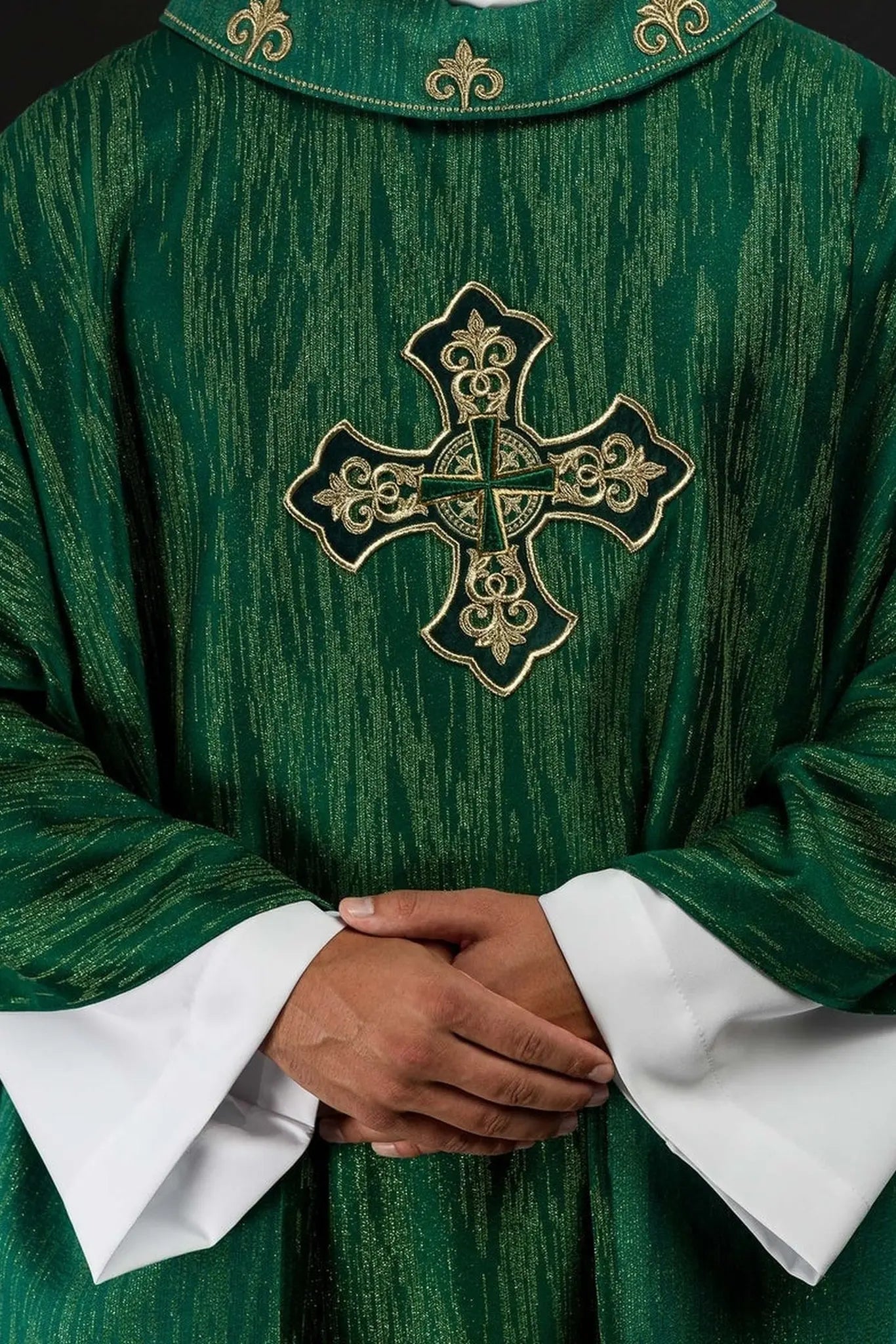
The chasuble is the principal outer vestment worn by the priest or bishop who celebrates Mass. Because it is highly visible during the liturgy, it often becomes the central textile in a set. When choosing a chasuble, consider the liturgical color first, then the cut, fabric, weight, embroidery and the character of the celebration. A parish may need durable designs for frequent use, more solemn chasubles for feast days, or a carefully matched set for concelebration.
Within the wider assortment, chasubles may appear in forms inspired by Gothic or Roman traditions. Gothic-style chasubles normally have a fuller drape and broad fall over the shoulders, while Roman-style chasubles have a more structured historical silhouette. Neither form is chosen only for appearance; the decision also affects movement at the altar, comfort during longer liturgies and the way embroidery is displayed. A simple vertical orphrey can give clarity, while more detailed motifs can emphasize the feast, the saint or the mystery being celebrated.
Liturgical colors guide the use of chasubles throughout the year. White and gold are commonly associated with solemnity, joy, feasts of the Lord, Marian celebrations and saints who were not martyrs. Red is used for the Holy Spirit, martyrdom and the Passion. Green belongs to Ordinary Time and expresses the steady life of the Church between the major seasons. Violet is used in Advent and Lent as a sign of preparation and penance. Rose is used on Gaudete Sunday in Advent and Laetare Sunday in Lent where local practice appoints it. Black may be used in funeral and memorial contexts according to the liturgical norms followed by the parish.
Embroidery on chasubles can include crosses, Eucharistic symbols, Marian motifs, images of saints, the Chi-Rho, wheat and grapes, the Sacred Heart or other devotional and biblical themes. The most suitable choice is the one that corresponds to actual use. A Marian chasuble works well for feasts of the Blessed Virgin Mary and Marian shrines, while a red chasuble with a Holy Spirit motif may be especially suitable for Pentecost or Confirmation. A simpler green chasuble may be the most useful garment in the sacristy because Ordinary Time occupies a large part of the year.
Stoles, albs and garments that complete the sacred attire
The stole is a sign of ordained ministry. Priests wear the stole around the neck with both ends falling in front, while deacons wear it diagonally from the shoulder across the body. Because of this distinction, a priest stole and a deacon stole should not be treated as the same garment. In a complete sacristy, stoles are needed not only with chasubles for Mass, but also for confessions, blessings, pastoral visits, baptisms, marriages, funerals and other rites where the full Mass vestment is not required.
Stoles can be selected to match a particular chasuble or to function independently. A parish that already owns suitable chasubles may still need additional stoles in the main liturgical colors, especially for concelebrants, visiting clergy or sacramental ministry outside the church building. Embroidered stoles with Marian, Eucharistic or saint motifs can support special devotions, while more restrained stoles are useful for everyday ministry because they coordinate easily with different albs and church interiors.
The alb forms the white foundation garment for clergy and many liturgical ministers. It symbolizes baptismal purity and provides a clean, unified appearance before a stole, chasuble, dalmatic or cope is added. When selecting albs, length, sleeve shape, fabric transparency, collar style and the use of a cincture all matter. An alb should allow free movement, cover ordinary clothing appropriately and remain comfortable during both short weekday services and longer solemn liturgies.
Other garments may also be part of the broader vestment wardrobe. Dalmatics are proper to deacons when assisting at Mass and other solemn celebrations. Copes are used in processions, the Liturgy of the Hours, Eucharistic adoration and blessings, and other rites where the chasuble is not the appropriate outer garment. Humeral veils are used especially when carrying or blessing with the Blessed Sacrament, emphasizing reverence and the sacredness of the Eucharistic action. These garments have distinct liturgical roles, so choosing the correct item is more important than simply matching color or decoration.
Altar linens, chalice sets and textiles for the sanctuary
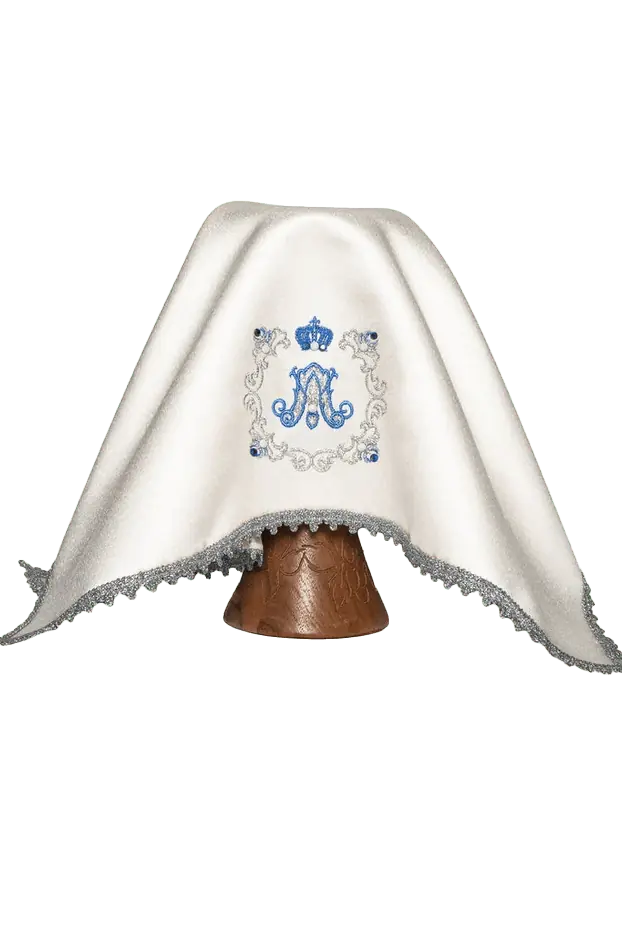
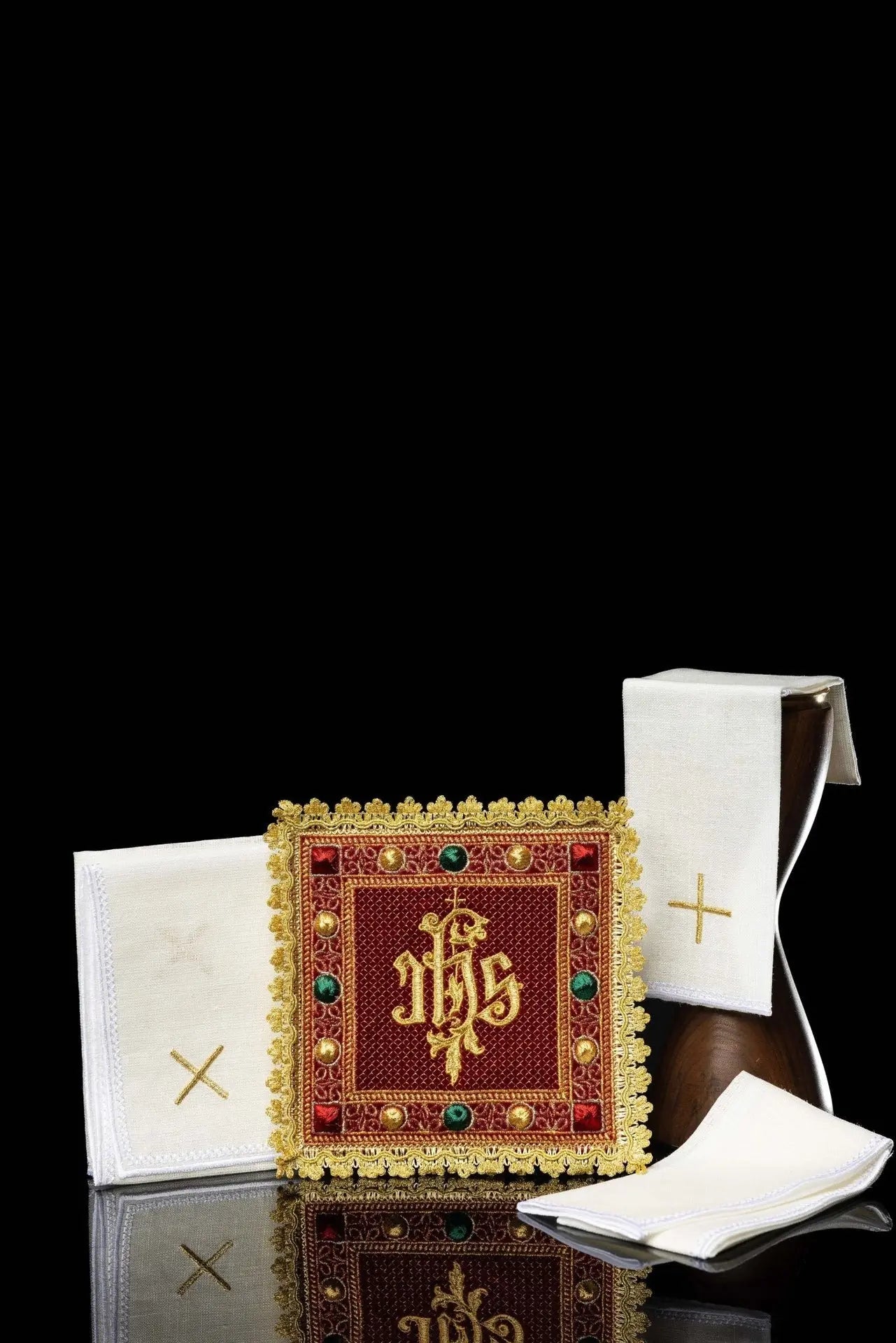
Liturgical textiles do not end with what the minister wears. The altar and the vessels also require proper linens and coverings. A corporal is placed on the altar for the chalice and paten. A purificator is used for the chalice and for the careful purification connected with Holy Communion. A pall covers the chalice when needed. A chalice veil covers the prepared chalice, often coordinating visually with the vestments of the day. These linens are small in size, but they belong to the most important objects handled during the celebration of Mass.
Chalice linen sets are often selected by material, color, embroidery and the type of occasion. Linen and cotton are valued for their traditional association with altar use and their practical qualities. Velvet or more decorative sets may be chosen for solemn occasions, devotional chapels or gifts to priests and parishes. A set with a Marian motif suits Marian feasts and shrines, while a more universal Eucharistic design may serve a parish throughout the year.
Altar cloths and altar tablecloths help define the visual dignity of the sanctuary. Their dimensions, fall, front embroidery and fabric quality should correspond to the altar itself. A cloth that is too short, too long or visually unrelated to the rest of the sanctuary can make even a beautiful space feel unfinished. A well-chosen altar cloth supports the architecture of the church and gives the altar a reverent, orderly appearance without turning the textile into the center of attention.
Chalice veils, ciborium veils, altar superfrontals, pulpit covers and other sanctuary textiles each have their own use. A chalice veil is not the same as a ciborium veil, and neither should be confused with a humeral veil or an altar cloth. Clear terminology matters because it prevents the wrong item from being ordered for a rite. When browsing this collection, identify the liturgical action first: covering the chalice, covering a ciborium, dressing the altar, decorating the ambo, or vesting a minister. The correct category then becomes much easier to choose.
Liturgical colors and how to select them
Color is one of the simplest ways to connect the visible liturgy with the Church calendar. White and gold communicate joy, light and solemnity. Red points to the Holy Spirit, the blood of martyrs and the Passion of the Lord. Green is used through Ordinary Time and is often the most frequently needed color in parish life. Violet marks penitential and preparatory seasons. Rose appears on the two traditional mid-season Sundays of joyful expectation: Gaudete Sunday in Advent and Laetare Sunday in Lent. Marian blue, where used according to local custom or permission, is associated with devotion to the Blessed Virgin Mary.
When building or renewing a sacristy, it is often best to start with the colors used most often and then add more specialized pieces. Green, white or gold, violet and red form the practical core. Rose, black, Marian designs and saint-specific motifs can then be added for particular feasts, pastoral needs or local devotional life. A parish with many funerals may prioritize dignified funeral vestments. A shrine may need a stronger Marian selection. A community with frequent Eucharistic processions may need copes and humeral veils in addition to Mass vestments.
The same color should also be considered across categories. A violet chasuble for Lent may be accompanied by a violet stole for confessions or blessings, a suitable chalice veil and sanctuary textiles that do not visually conflict. A white or gold set for Christmas and Easter may include chasuble, stole, chalice veil and altar cloths. The goal is not always perfect uniformity, but a harmonious liturgical setting in which color, ornament and function support one another.
Embroidery, sacred symbolism and visual coherence
Haftina Atelier is associated with detailed embroidery used on vestments and church textiles. Computer-guided embroidery allows precise lines, repeated motifs and complex symbolic designs, while human oversight remains important for composition, placement and the overall dignity of the finished item. In liturgical textiles, embroidery should be evaluated not only by how elaborate it looks, but by whether it serves the theological and ceremonial meaning of the piece.
Common motifs include the cross, Eucharistic wheat and grapes, the IHS Christogram, the Chi-Rho, the Lamb of God, the dove of the Holy Spirit, Marian symbols, floral ornament, rays, crowns, saints and images connected with particular devotions. A large image may be appropriate on a solemn chasuble or cope, while a smaller symbol may be more fitting for a stole, chalice pall or linen set. The placement of embroidery also matters: it should remain visible where intended and should not interfere with the way the garment falls or the way the linen is handled.
Visual coherence can be achieved by repeating a motif across several items, by choosing compatible colors, or by keeping one element more decorative while the others remain restrained. For example, a richly embroidered chasuble may be balanced by a simpler chalice veil and a clean altar cloth. A parish feast set may use the same Eucharistic motif on the chasuble, stole and chalice set. A daily-use set may rely on durable fabric, clear color and modest ornament rather than heavy embroidery.
How to choose products for parish, chapel or community use
Before selecting an item, begin with the liturgical purpose. Ask whether the piece is for Mass, adoration, procession, sacramental ministry, the Divine Office, a funeral, a parish feast, a shrine, a chapel or regular weekday use. The answer will determine whether a chasuble, stole, cope, humeral veil, alb, altar cloth, chalice set or accessory is needed. This approach avoids the common mistake of buying by appearance alone and then discovering that the item does not serve the intended rite.
Next, consider frequency of use. Items used every week should be comfortable, durable and easy to coordinate. Pieces reserved for major feasts can be more ornate, because they will be used less often and are meant to mark solemn days. A balanced sacristy usually includes reliable everyday vestments, carefully chosen seasonal colors and a smaller number of special pieces for the most important celebrations of the parish or community.
Fit and proportion are also important. Chasubles and copes should fall well over the shoulders and allow natural movement. Stoles should hang at an appropriate length and not distract from the vestment worn over or under them. Albs should cover ordinary clothing properly and should not be so long that they become unsafe around steps or candles. Altar cloths must correspond to the size and shape of the altar. Linens used with the chalice should be practical to handle and suitable for reverent care.
Finally, compare the textile with the interior where it will be used. A large church with a high altar and strong architectural details may call for visible embroidery and richer contrast. A small chapel may be better served by simpler forms, lighter fabrics and clear but restrained symbolism. A modern sanctuary may suit clean lines, while a historic church may harmonize with more traditional ornament. The best choice is the one that supports prayer in the actual place where the liturgy is celebrated.
Care, storage and long-term sacristy planning
Proper care helps preserve the dignity of liturgical vestments and linens. Always follow the care instructions for the specific fabric and embroidery, because polyester blends, linen, cotton, velvet and more delicate textiles can require different handling. Many everyday textiles can be cared for gently, while heavily embroidered, structured or delicate pieces may require professional cleaning. Avoid harsh chemicals and bleach unless the care instructions specifically allow them, because they can damage both fabric and embroidery.
Storage matters as much as washing. Chasubles and copes should be hung or laid in a way that protects their shape and prevents permanent creases. Stoles should be stored flat or on suitable hangers so that embroidery does not pull or twist. Linens used directly at the altar should be kept clean, dry and separated from ordinary household textiles. Chalice veils and palls should be stored where they will not be crushed. A sacristy that protects its textiles also protects the investment made by the parish and the donors who may have funded them.
Long-term planning is often more effective than buying single pieces in isolation. Many parishes benefit from reviewing the whole sacristy once a year: which colors are missing, which albs no longer fit, which linens are worn, which feast days lack suitable vestments, and which accessories are needed for processions or adoration. This collection can serve as a practical checklist for that review, helping the parish move from urgent replacements toward a complete and coherent liturgical wardrobe.
Related categories within this collection
Because this is a broad collection, the most efficient way to browse is by category. Begin with vestments when the minister needs to be vested for Mass or another rite. Move to altar textiles when the sanctuary, altar or sacred vessels need to be prepared. Review accessories when the celebration includes processions, Eucharistic devotion, incense, candles or other ceremonial elements. Each category answers a different liturgical need, and the links in the opening section help you narrow the selection without losing the wider context.
-
Chasubles: outer Mass vestments for priests and bishops, chosen by liturgical color, cut, fabric and embroidery.
-
Clergy stoles: signs of ordained ministry for priests and deacons, useful for Mass, sacraments, blessings and pastoral rites.
-
Albs: white foundation garments for clergy and ministers, selected by length, comfort, collar style and fabric.
-
Copes and humeral veils: vestments for processions, adoration, blessings and solemn rites outside the normal use of a chasuble.
-
Altar cloths and linens: textiles for the altar and sacred vessels, including corporals, purificators, palls and chalice sets.
-
Chalice veils and related covers: coverings for the prepared chalice and, in separate categories, textiles for other sacred vessels.
-
Accessories: items that support church ceremonies, processions, devotion and the ordered preparation of the sanctuary.
Frequently Asked Questions (FAQ)
What is included in the All Liturgical Vestments and Church Supplies collection?
This collection gathers the main church textiles and accessories used in parish and chapel life: chasubles, stoles, albs, copes, altar cloths, chalice linens, veils and related liturgical accessories. It is a broad browsing page for comparing different categories before moving to a more focused collection.
How should I choose the right liturgical color?
Start with the celebration or season. Green is for Ordinary Time, violet for Advent and Lent, white or gold for joyful feasts and solemnities, red for the Holy Spirit, martyrs and the Passion, and rose for Gaudete and Laetare Sundays where it is used. After choosing the color, compare the cut, embroidery and matching items.
What is the difference between a chasuble, cope and humeral veil?
A chasuble is worn by the priest or bishop celebrating Mass. A cope is used for processions, adoration, blessings and other solemn rites where a chasuble is not the appointed outer vestment. A humeral veil is used especially when carrying or blessing with the Blessed Sacrament.
Can I coordinate vestments with altar linens and chalice veils?
Yes. Many sacristies choose a chasuble first and then add a stole, chalice veil, pall or altar cloth that shares the same color or motif. Coordination is helpful for feasts and solemnities, but daily-use sets can remain simpler as long as the color and function are correct.
What should a parish buy first when renewing its sacristy?
Begin with the items used most often: green, white or gold, violet and red vestments, practical stoles, well-fitting albs, clean altar linens and properly sized altar cloths. More specialized items such as rose vestments, Marian motifs, copes and humeral veils can be added according to the parish calendar and devotional life.
How should liturgical textiles be cared for after purchase?
Follow the care instructions for each item, especially when embroidery, velvet, linen or structured elements are present. Store vestments so they do not crease or pull, keep altar linens clean and dry, and avoid harsh chemicals that may weaken fabric or damage embroidered details.