Liturgical Accessories for Churches and Clergy
Liturgical accessories complete the visible order of worship. They support the celebration of Mass, the exposition of the Blessed Sacrament, parish processions, devotional services, blessing rites and the daily care of the sanctuary. This collection brings together church accessories chosen for practical use and for the dignity required in sacred spaces: vessels for the altar, items for incense and holy water, processional pieces, altar and sanctuary fittings, and smaller details that help clergy, sacristans and altar servers prepare each liturgy with confidence.
The purpose of a liturgical accessory is never only decorative. A chalice must be suitable for the Eucharistic celebration; a thurible must be balanced and safe in use; a processional banner must be clear, stable and appropriate for public prayer; a cincture must hold an alb neatly without distracting from the vestment. When these objects are well chosen, they allow the rite itself to remain the centre of attention. They also help a parish maintain visual harmony between the altar, the vestments, the sanctuary and the liturgical season.
What you can find in this liturgical accessories collection
The range includes accessories used at the altar, in the sanctuary and in solemn outdoor or indoor processions. For Eucharistic celebration and adoration, you can choose pieces such as chalices and monstrances. For incense rites, this area of the store connects naturally with thuribles and boats. For blessings and holy water rites, related options include sprinklers, fonts and other devotional accessories. For processions, the collection is linked with canopies, umbrellas and banners, each serving a different ceremonial role.
Many churches use this collection when they need to equip a new chapel, refresh a sacristy, replace worn accessories, or prepare for a major feast. It is also useful when a parish wants to coordinate several pieces at once, for example a chalice with altar linens, a monstrance with a humeral veil, or a processional set for Corpus Christi. The collection is intentionally broad, but the categories help you move quickly from general church accessories to the exact type of item needed for a specific liturgical action.
Accessories for the altar and the Eucharistic celebration
The altar is the focal point of the church, so the accessories used there should be chosen with special care. Chalices, patens and related sacred vessels require a design appropriate for repeated liturgical use. They should be dignified, stable, easy for the celebrant to handle and suitable for the scale of the church. A parish chapel may need a simpler vessel that is practical for daily Mass, while a larger church may choose a more ceremonial design for Sundays, solemnities and feast days.
When selecting altar accessories, consider how they will work with the surrounding textiles. Chalice veils, palls, corporals and purificators belong to the wider family of altar linens and are chosen according to the rite, the season and the vessel they accompany. For a coordinated altar setting, you may also review altar linens, especially when a new chalice or set of vessels requires properly sized textiles. This helps the sacristy remain orderly and avoids mixing items that differ too strongly in style, colour or scale.
Accessories for Eucharistic adoration and solemn devotion
Eucharistic adoration calls for accessories that express reverence without excess. A monstrance should be proportionate to the altar or exposition throne, visible to the faithful and secure in construction. It may be used for regular parish adoration, Forty Hours devotion, a holy hour, Corpus Christi celebrations or other solemn occasions. The style can be simple or richly ornamented, but the main consideration is that it serves the worship of Christ present in the Blessed Sacrament.
For processions with the Blessed Sacrament, a monstrance is often used together with a humeral veil, candles, bells and a canopy. This is why accessory selection should take the whole ceremony into account rather than treating each item separately. If the parish already has a canopy or umbrella, check its scale and visual character before choosing additional accessories. If the parish is building a complete ceremonial set, begin with the main liturgical action and then select the supporting items around it.
Processional accessories for parish feasts
Processions require accessories that are visible, stable and suitable for movement. processional canopies are traditionally associated with solemn Eucharistic processions, especially where the Blessed Sacrament is carried through the church or outside the church. They mark the sacred focus of the procession and help the faithful recognize the central liturgical action. The canopy should be selected with attention to size, fabric, poles, embroidery and the number of bearers needed.
Processional umbrellas can serve in settings where a smaller ceremonial cover is needed, while processional banners help identify the parish, confraternity, devotional group, patron saint or feast being celebrated. Banners should be readable from a distance and constructed so they hang properly during movement. When choosing processional items, think about storage, weight, the route of the procession and who will carry each piece. Good preparation prevents practical difficulties during solemn liturgy.
Incense, bells, candlesticks and sanctuary order
Incense is used in many solemn celebrations, including Mass, adoration, funerals, processions and the Liturgy of the Hours. A thurible and incense boat must be functional as well as beautiful: the chains should move reliably, the bowl should be suitable for charcoal, and the boat should allow easy access to incense during the rite. These items are handled frequently by altar servers, so durability and safe use matter as much as appearance.
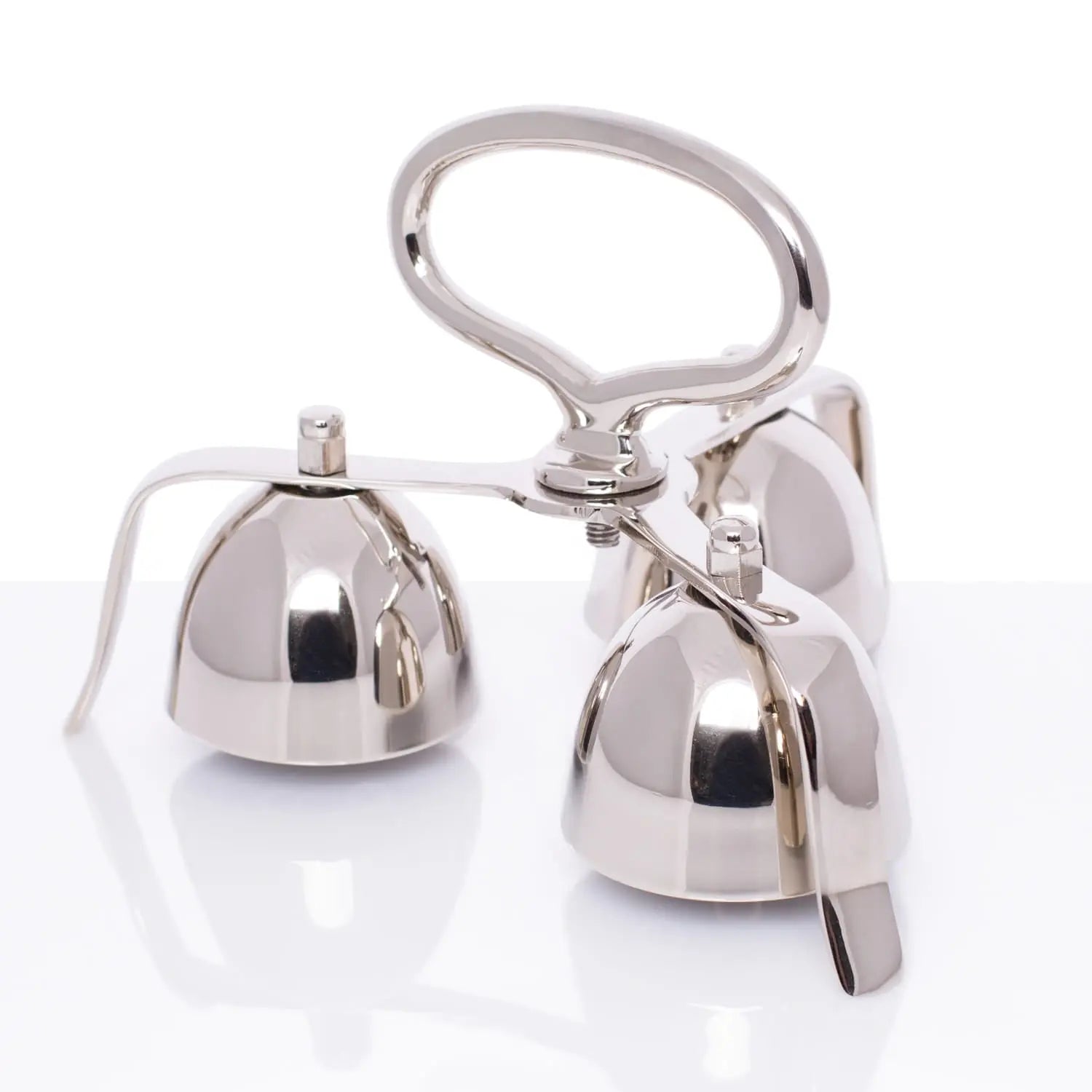
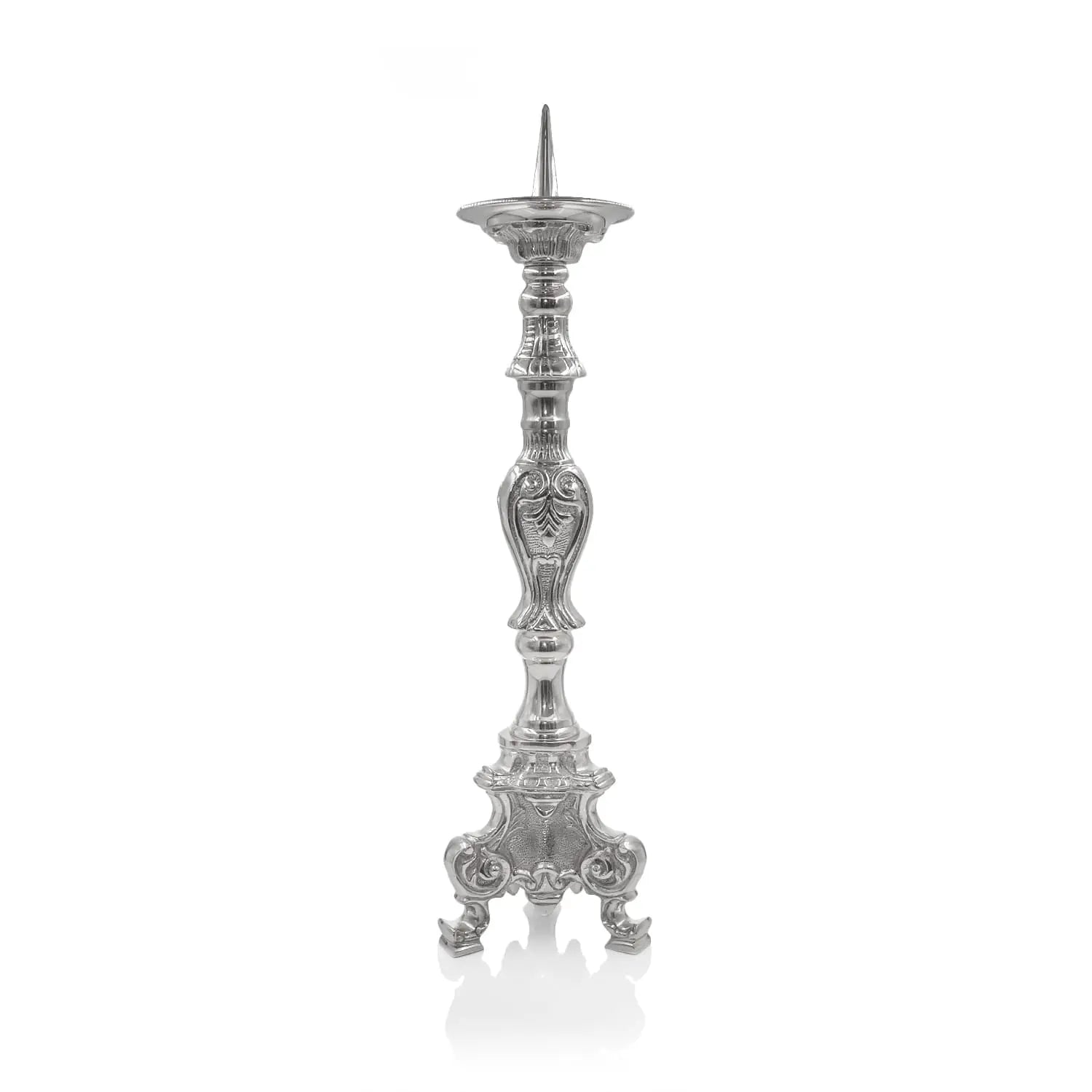
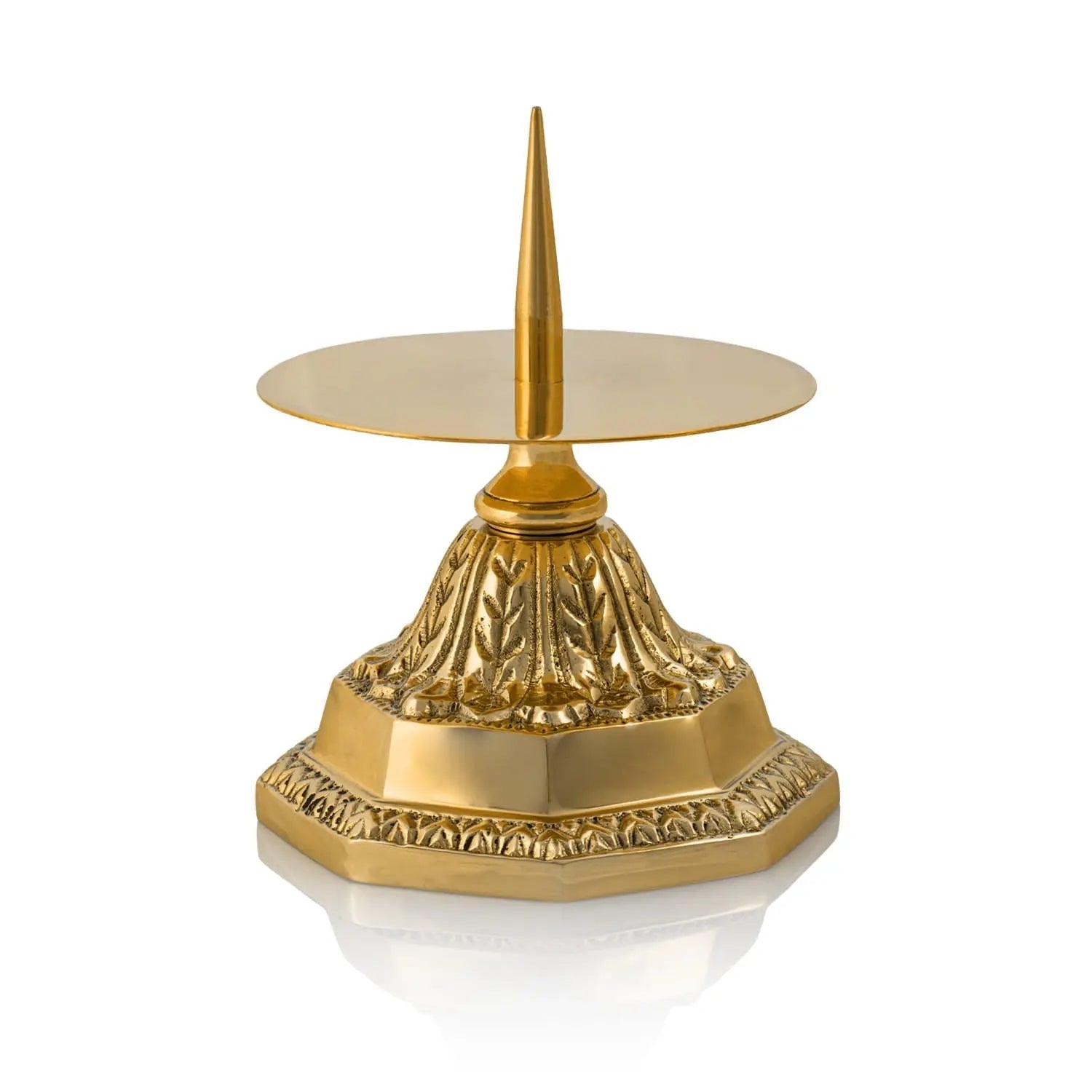
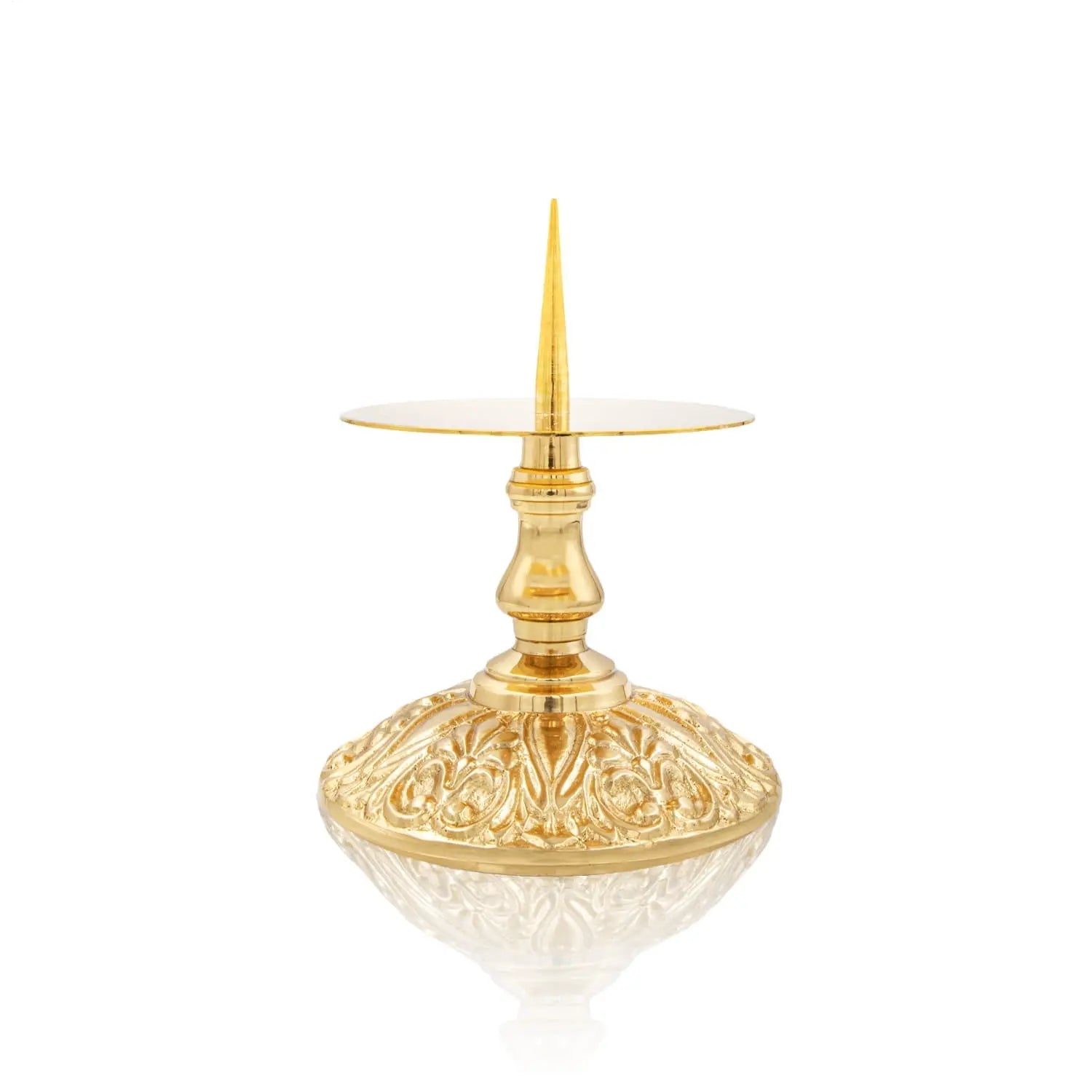
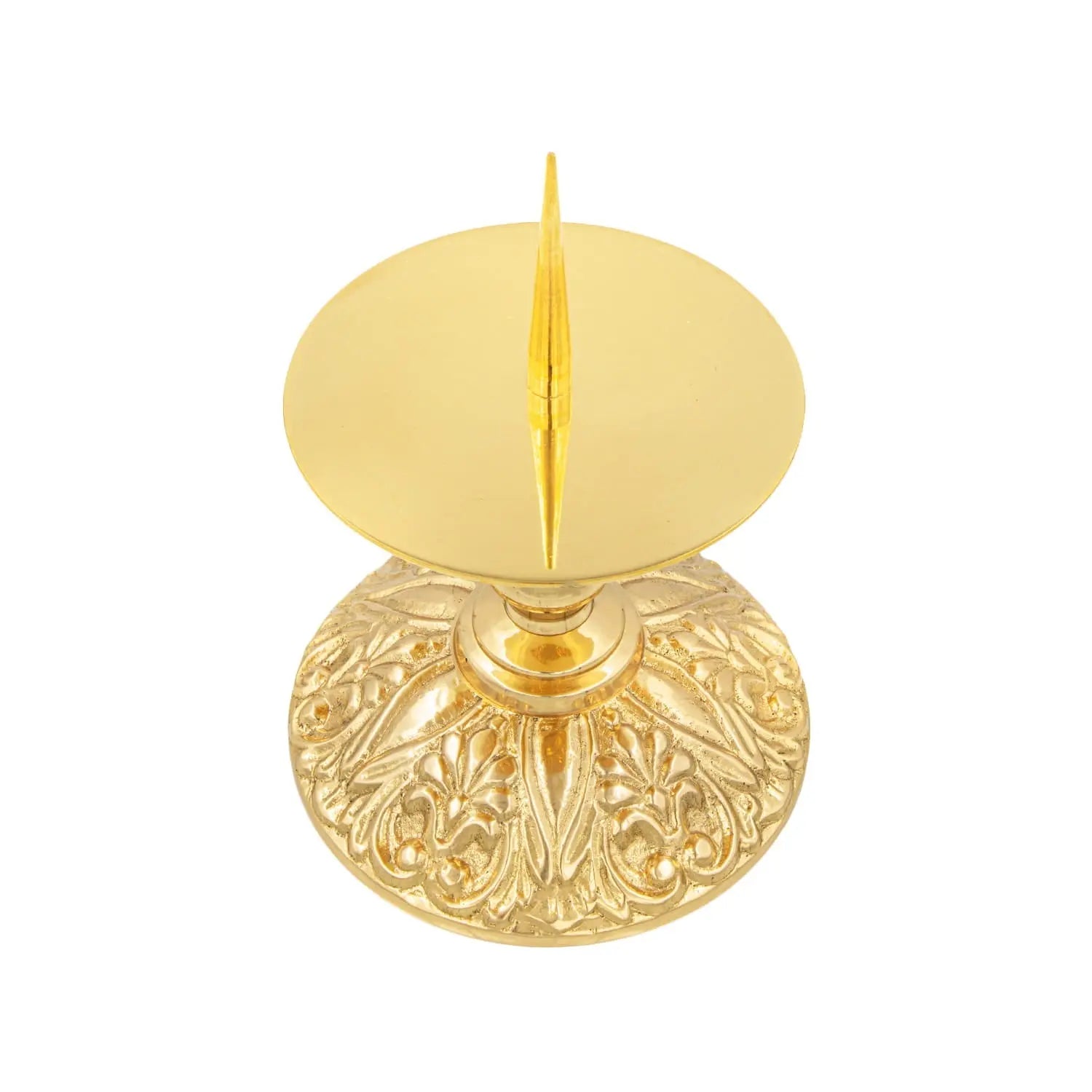
Bells and candlesticks also shape the rhythm and atmosphere of worship. Bells are used to mark important liturgical moments, while candlesticks bring order and light to the altar, ambo, tabernacle area or procession. Matching these accessories with the scale of the sanctuary helps avoid visual imbalance. A small chapel usually needs lighter, more modest accessories, while a cathedral or large parish church may require taller or more prominent pieces that remain visible to the congregation.
Cinctures, cope clasps and smaller vestment accessories
Some accessories are small, but they influence how vestments look and function. cinctures are used with albs and other liturgical garments to gather the fabric neatly at the waist. They should be long enough for the wearer, comfortable during movement and appropriate to the colour or style of the vestment. White and neutral cinctures are versatile, while coloured options can be selected for particular liturgical use.
Cope clasps are another example of a detail that has both practical and visual importance. A clasp secures the cope at the front and can become a focal point of the vestment, especially during processions, blessings and adoration. The clasp should be strong enough to hold the fabric without pulling it out of shape. When replacing an old clasp, consider the weight of the cope, the width of the front bands and the overall embroidery style, then compare options in cope clasps.
How to choose accessories for the liturgical year
The liturgical year affects the way many accessories are used, even when the objects themselves are not seasonal. A chalice or thurible may serve throughout the year, while a banner, canopy trim, cincture or decorative motif may be chosen with Advent, Lent, Easter, Marian celebrations or Corpus Christi in mind. The safest approach is to distinguish between permanent sanctuary items and accessories that are displayed only at certain times.
Permanent items should harmonize with the church building and the usual altar arrangement. Seasonal and devotional accessories may be more expressive, especially when they support a feast, patronal celebration or parish procession. For example, a Corpus Christi procession may require a canopy, banners, candles, bells and incense accessories. A Marian celebration may involve a banner or decorative accessory with Marian symbolism. A parish that plans these elements together will usually achieve a more coherent and prayerful result.
Coordinating accessories with vestments and altar cloths
Liturgical accessories should not compete with vestments and altar textiles. Instead, they should support a unified visual language. Highly ornamented vestments may pair best with simpler vessels and accessories, while a plain sanctuary may benefit from carefully selected embroidered or polished pieces. The same principle applies to colours: gold, white, red, green, purple, rose and Marian tones all have their place, but they should be used in a way that respects the rubrics and the character of the celebration.
For a complete church setting, this collection can be considered alongside liturgical vestments and altar cloth collections. A new chalice may call for suitable linens; a new cope may require a secure clasp; a Eucharistic procession may require a humeral veil, canopy and bells; a parish feast may call for a banner that matches the theme of the vestments. Thinking across categories helps the sacristan prepare not only single products, but a complete and functional liturgical environment.
Practical guidance for sacristies and parish buyers
Before ordering, identify the exact liturgical use of the item. Is it for daily Mass, Sunday Mass, exposition, a procession, a chapel, a main parish church, a shrine or a religious house? Next, consider frequency of use. Items used every week should be especially durable and easy to clean or maintain. Items used only for solemnities may place more emphasis on ceremonial appearance, but they still need reliable construction and proper storage.
It is also useful to check dimensions and compatibility. Vessels should fit the altar and existing linens. Canopies and banners should fit the procession route and storage area. Cinctures should suit the height of the wearer and the style of the alb. Thuribles should be manageable for the servers who will use them. A well prepared sacristy avoids last minute improvisation and helps every minister carry out the rite calmly and reverently.
Care and long term use
Liturgical accessories deserve careful handling because they are reserved for sacred use. Metal vessels and candlesticks should be cleaned according to their material and finish. Textile accessories such as banners, canopy elements and cinctures should be stored dry, protected from dust and kept away from sharp folds where possible. Embroidered pieces should be handled gently so the stitching remains clear and secure. When several people serve in the sacristy, written care notes can help maintain consistent practice.
Regular inspection is also worthwhile. Check clasps, cords, poles, chains, hinges, bases and fastenings before major celebrations. A small repair made early can prevent a problem during Mass or procession. This is especially important for processional accessories, which are moved, carried and sometimes used outdoors. Good care extends the life of each piece and preserves the dignity of worship over many years.
Frequently Asked Questions (FAQ)
Which liturgical accessories are most important for a new chapel or parish sacristy?
Start with the accessories required for the Eucharistic celebration and the regular rhythm of worship: suitable sacred vessels, altar linens, candles and candlesticks, incense accessories if incense is used, and practical vestment accessories such as cinctures. After that, add items for adoration, processions and parish feasts according to the community's liturgical life.
How do I choose between a processional canopy and a processional umbrella?
A canopy is usually chosen for a solemn Eucharistic procession, especially when several bearers can accompany the Blessed Sacrament. A processional umbrella is smaller and may be more practical in narrower spaces or for less formal ceremonial use. The decision should consider the route, available servers, storage space and the level of solemnity.
Should chalices, monstrances and candlesticks match each other?
They do not have to be identical, but they should be visually compatible. Similar metal tones, proportions and ornamentation help the sanctuary look ordered. If one piece is very ornate, surrounding accessories can be simpler so the altar arrangement remains balanced and reverent.
Are cinctures chosen by liturgical colour?
Cinctures are often white or neutral because they work with many albs, but coloured cinctures may be used where local custom and the vestment style make them appropriate. The most important points are proper length, secure tying, comfort for the wearer and a dignified appearance.
What should a sacristan check before a major procession?
Before the celebration, check the condition of poles, banner hangers, canopy fittings, thurible chains, bells, candles and any cords or clasps. It is also wise to assign bearers and servers in advance, confirm the route and make sure each accessory can be carried safely and respectfully.
How should textile accessories be stored between liturgical seasons?
Textile accessories should be clean, dry and protected from dust. Banners and canopy fabrics should be stored in a way that avoids deep creases, while cords and cinctures should be coiled or laid flat rather than tightly knotted. This helps preserve both fabric and embroidery for future celebrations.