Liturgical Copes for Processions, Benediction and Solemn Services
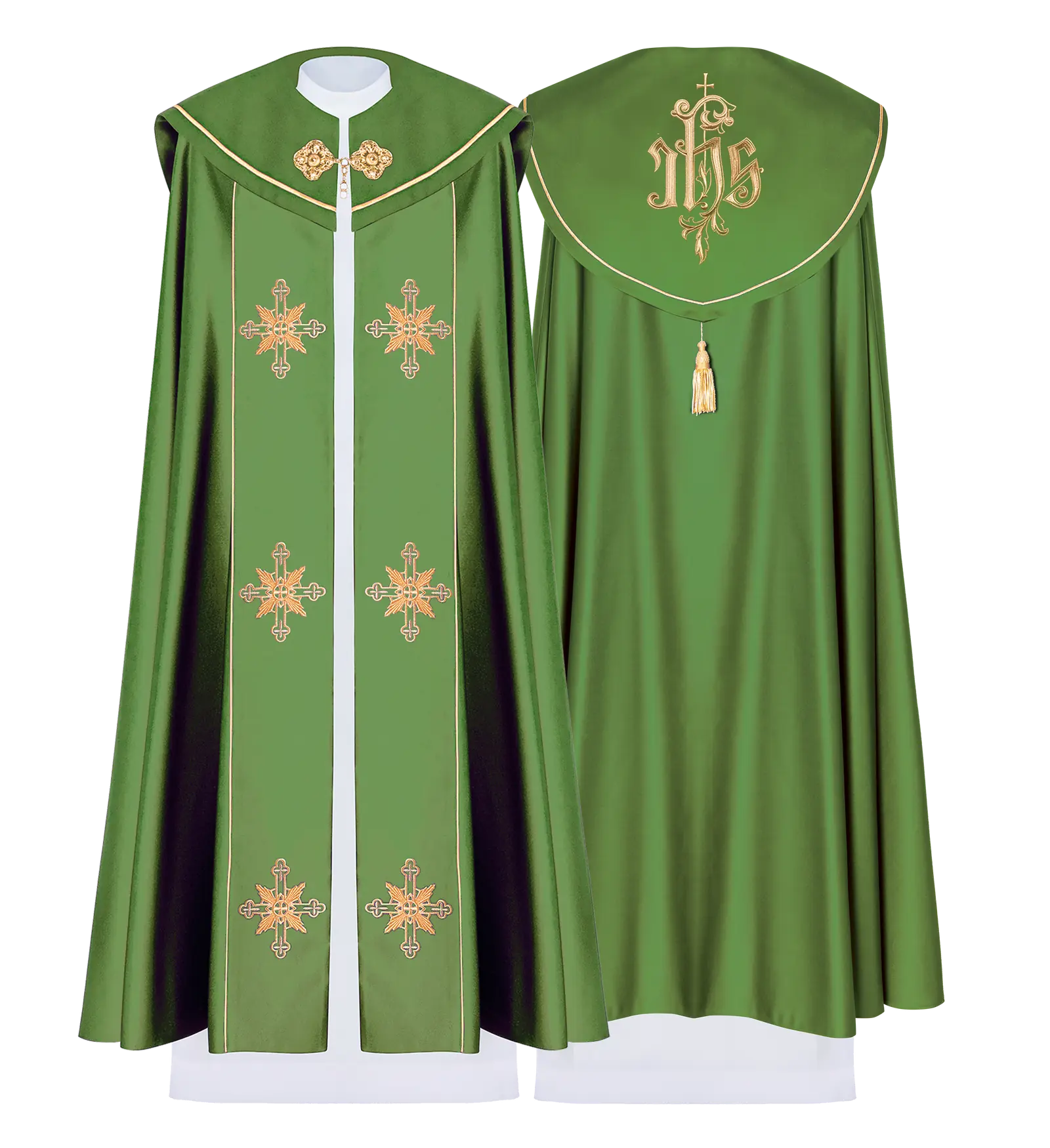
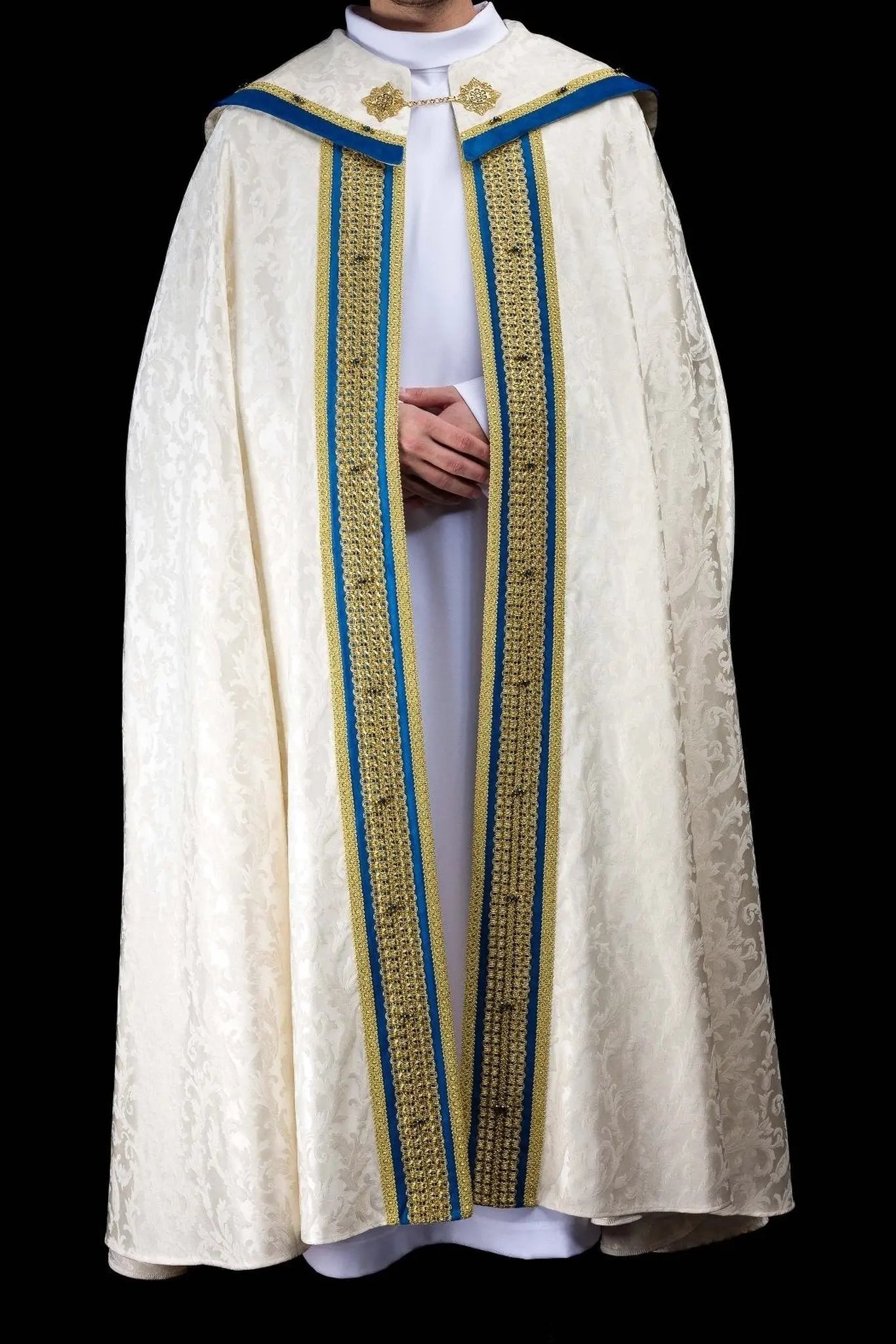
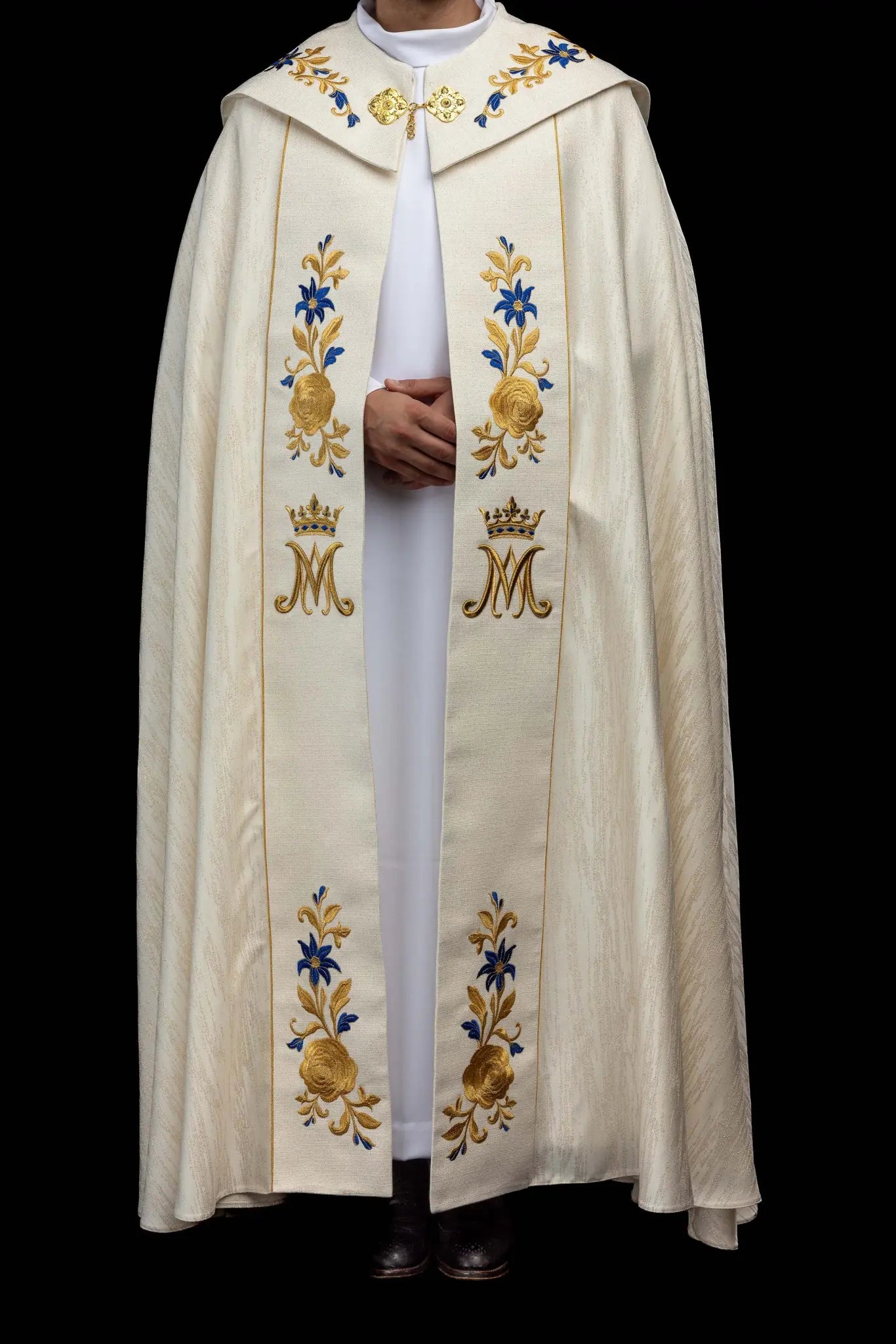
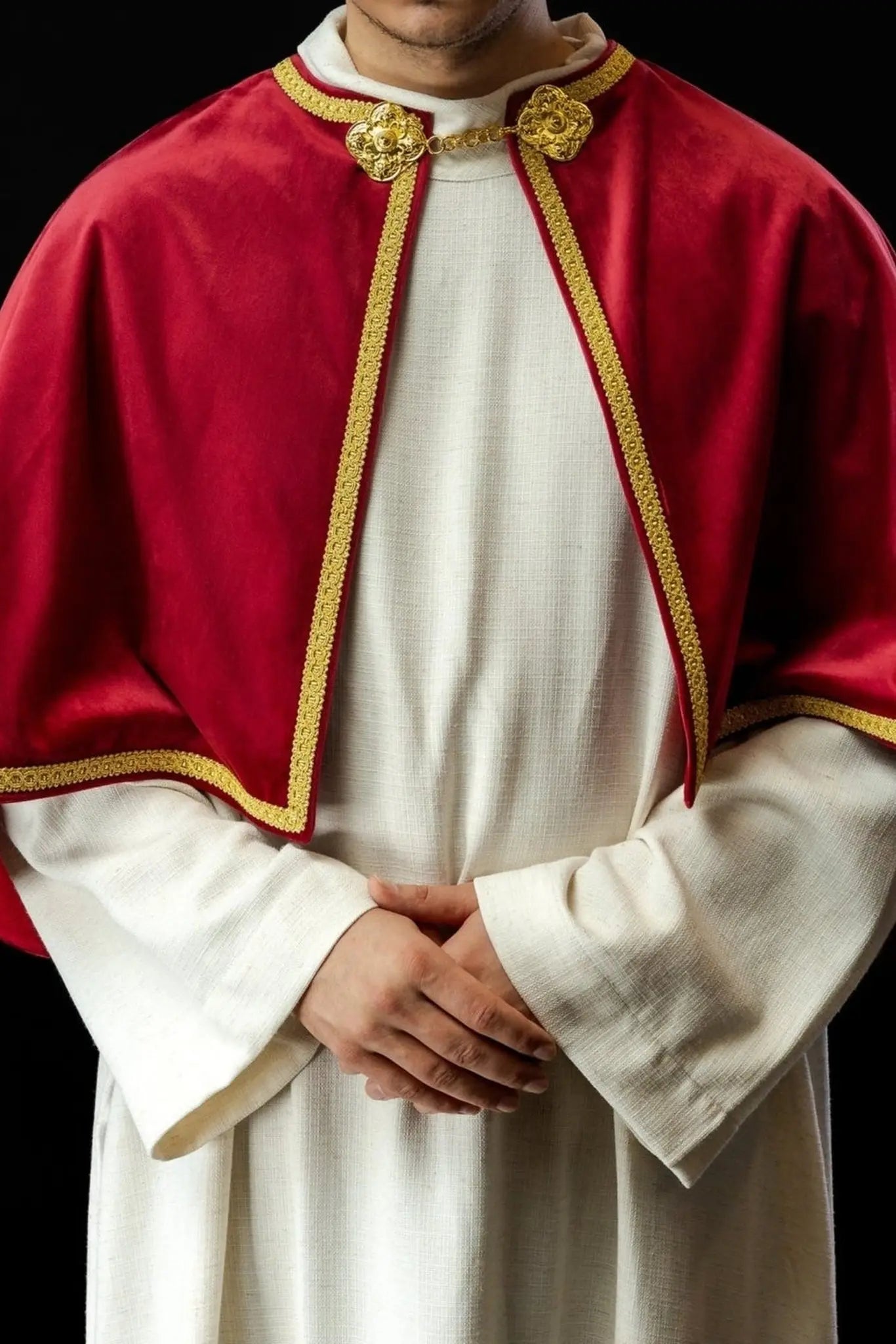
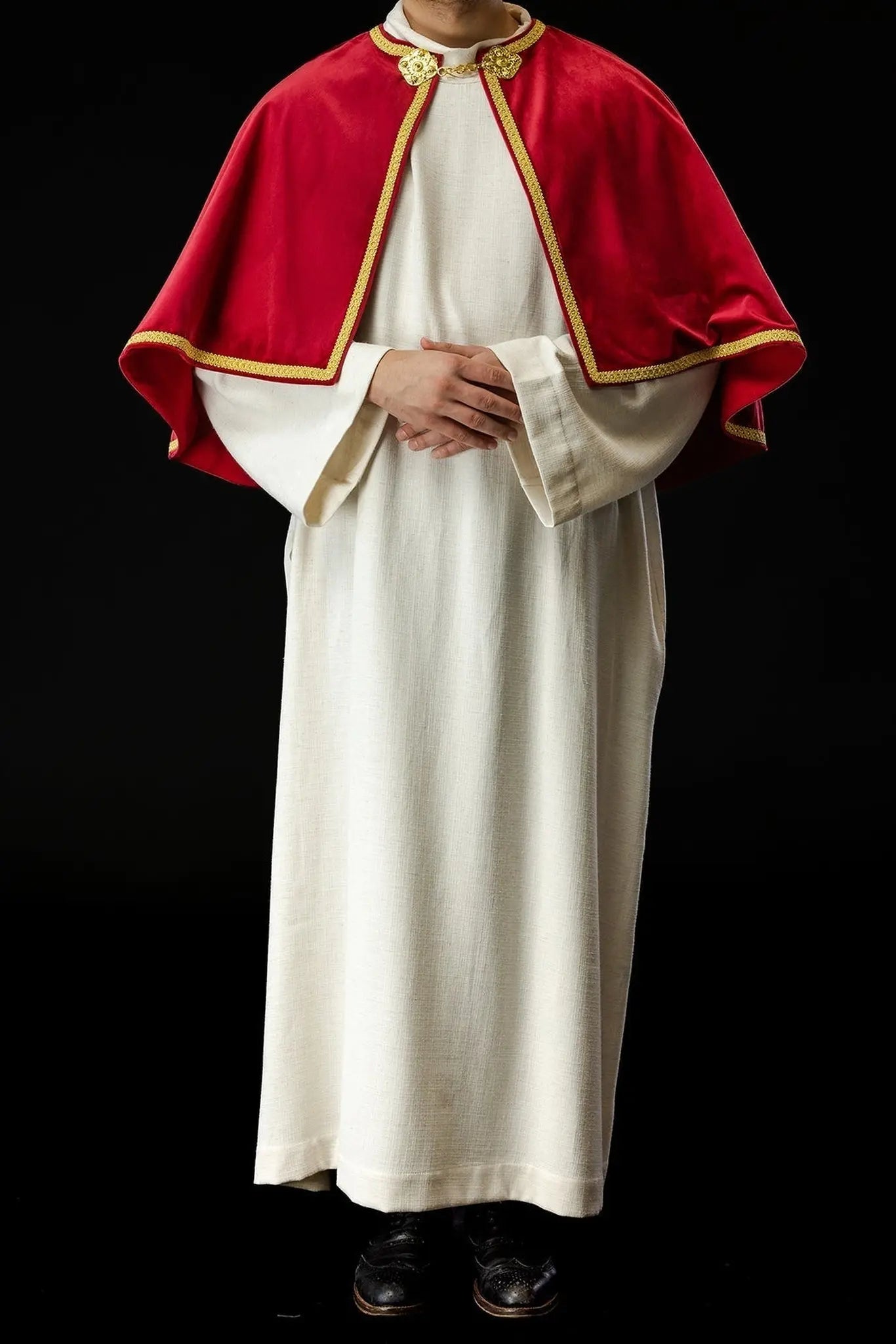
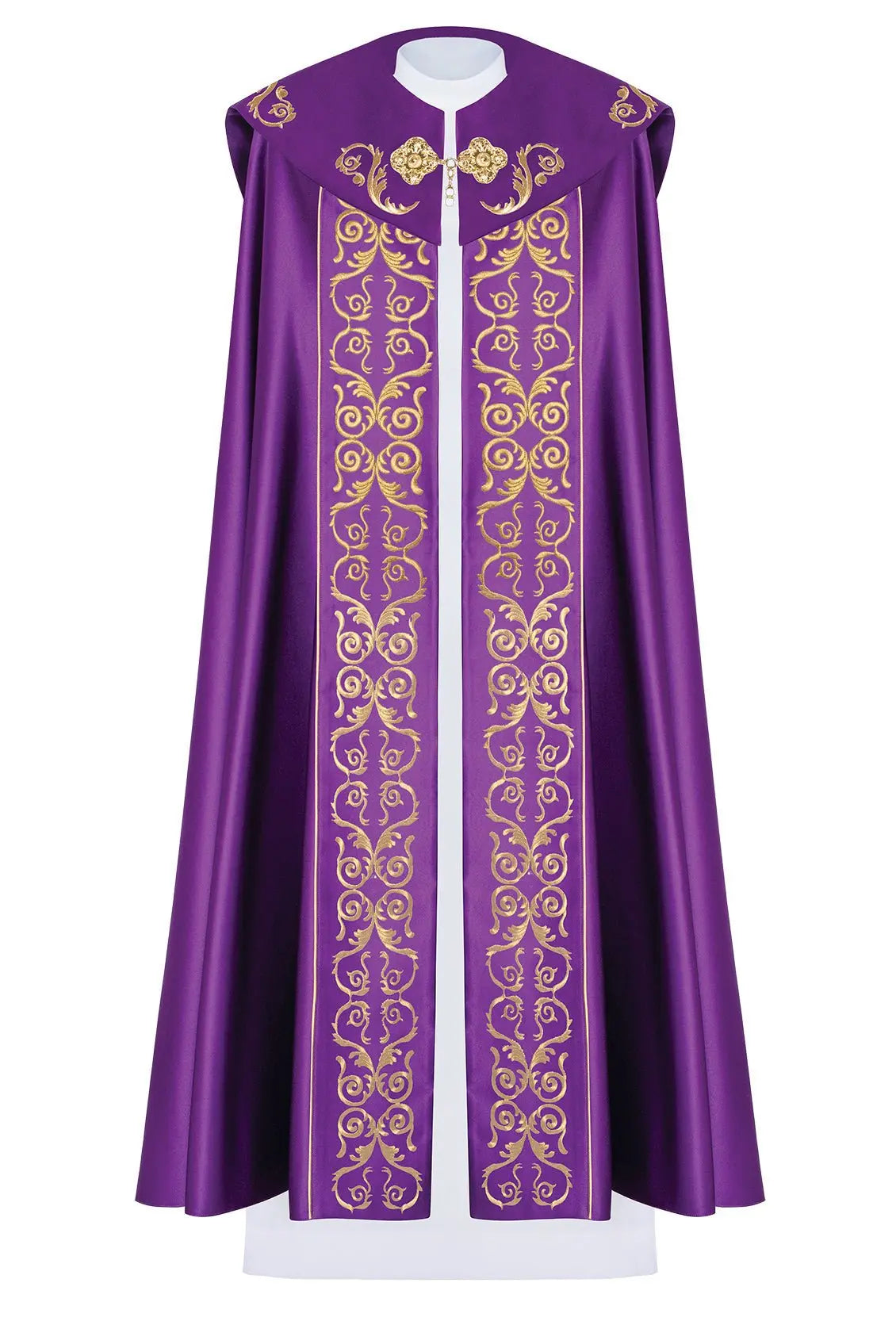
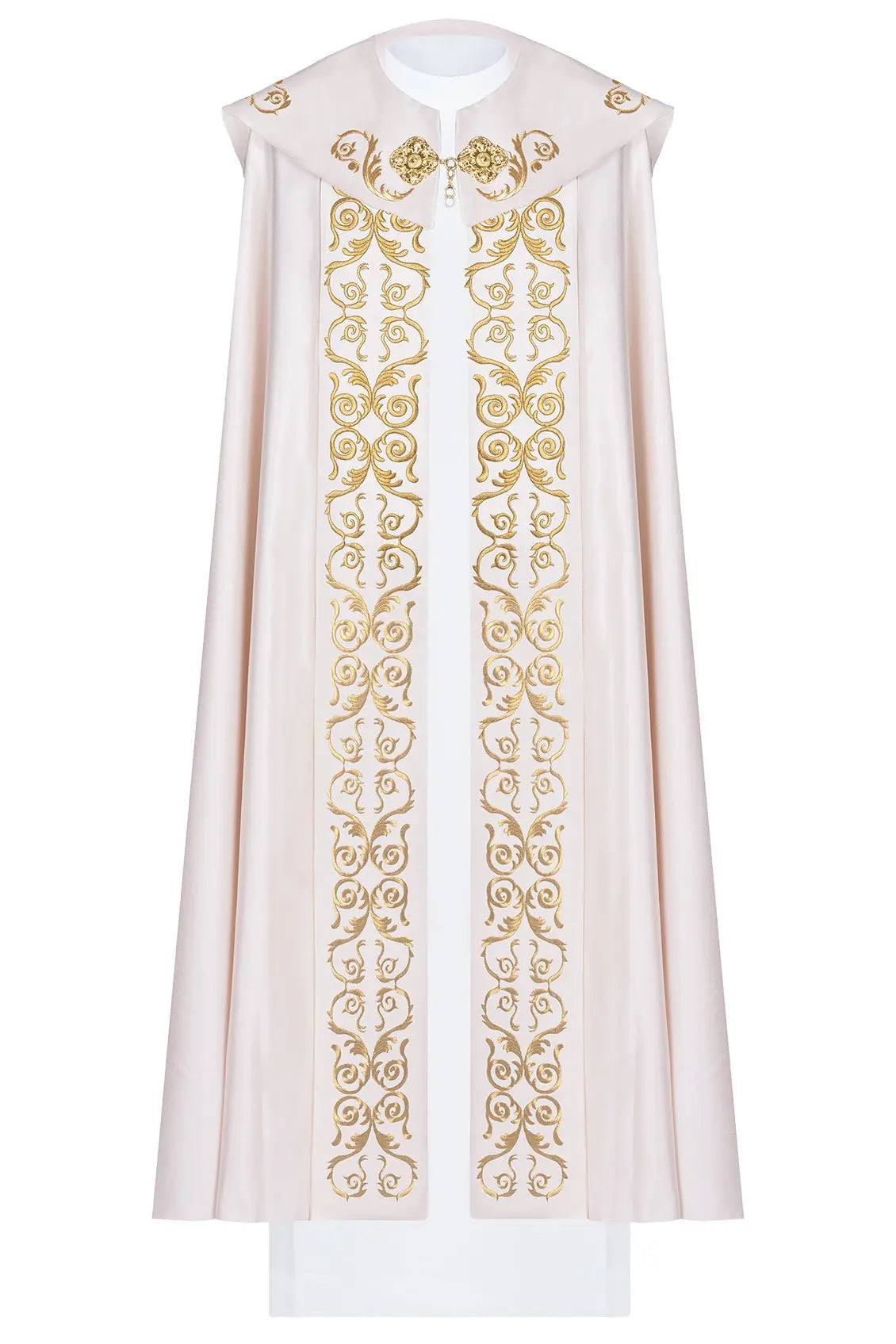
A cope is one of the most recognizable solemn vestments used in Catholic and other Western liturgical traditions. It is a long ceremonial mantle, open at the front and fastened at the chest with a clasp known as a morse. Unlike a chasuble, which is worn by a priest or bishop during the celebration of Mass, the cope is especially associated with processions, Benediction of the Blessed Sacrament, the Liturgy of the Hours, blessings, solemn entrances, funerals, and other services in which a formal ceremonial garment is required but the Eucharistic vestment is not the central garment. This collection brings together copes designed for reverent parish worship, festive celebrations, diocesan ceremonies, and communities that need a dignified vestment for repeated liturgical use.
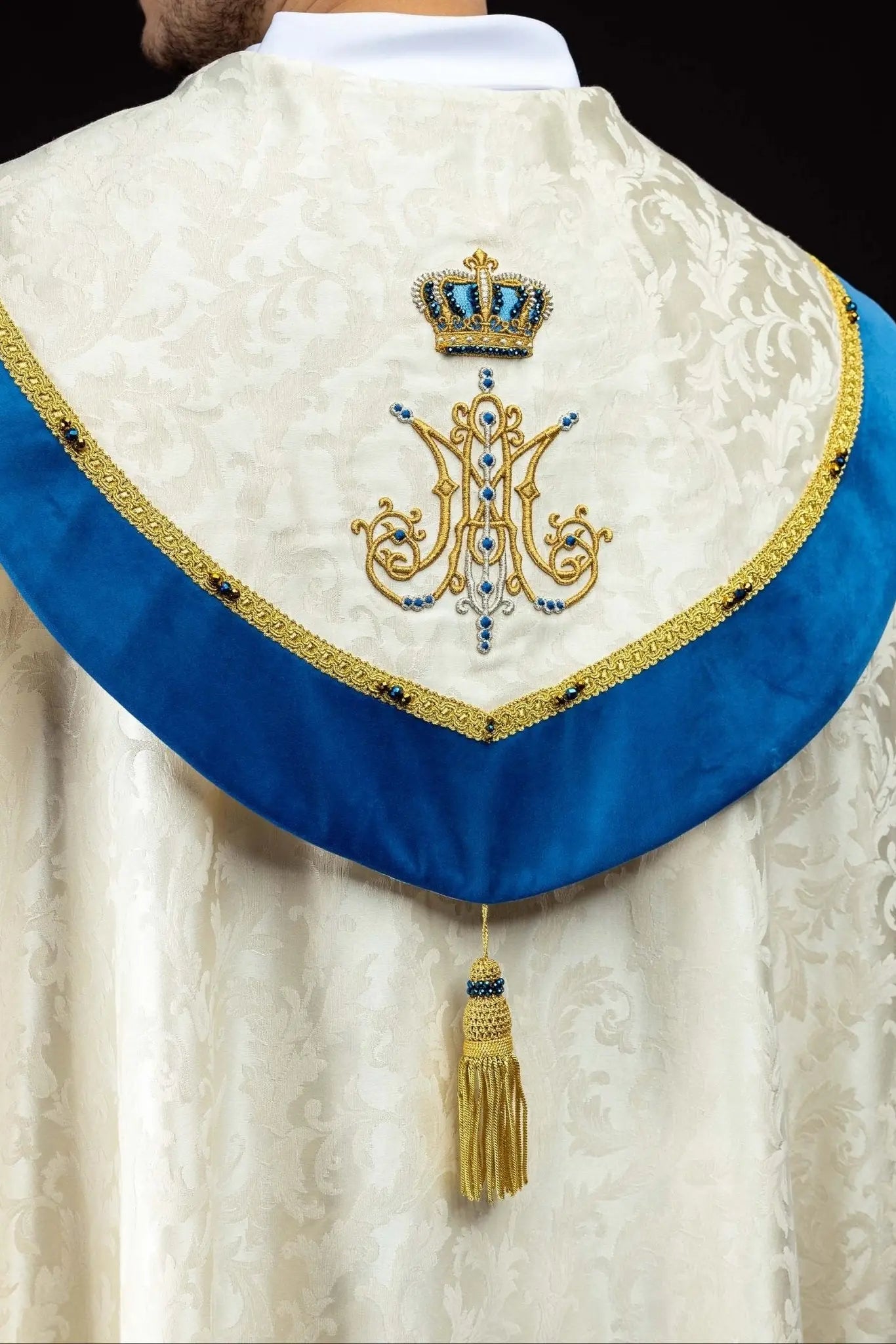
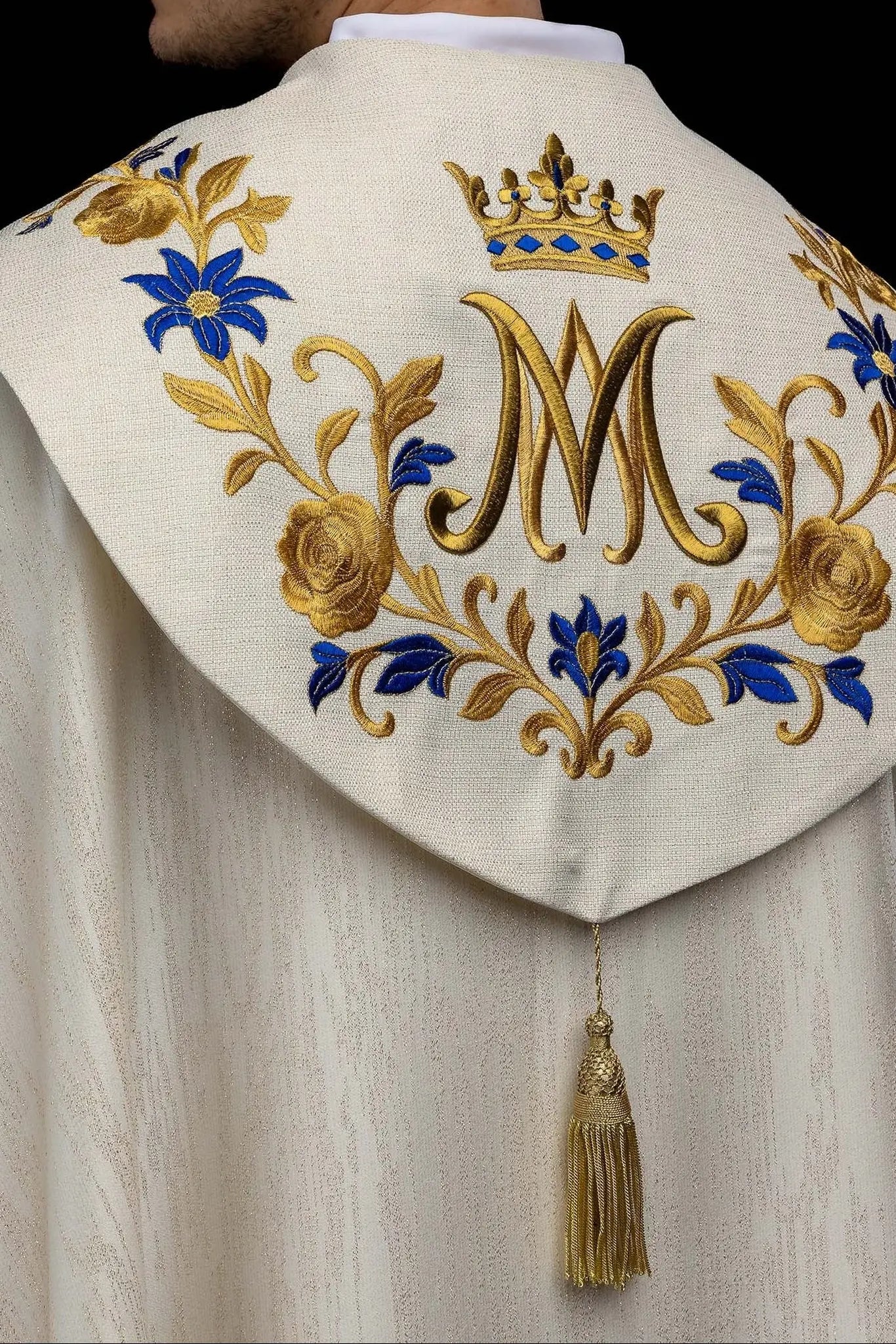
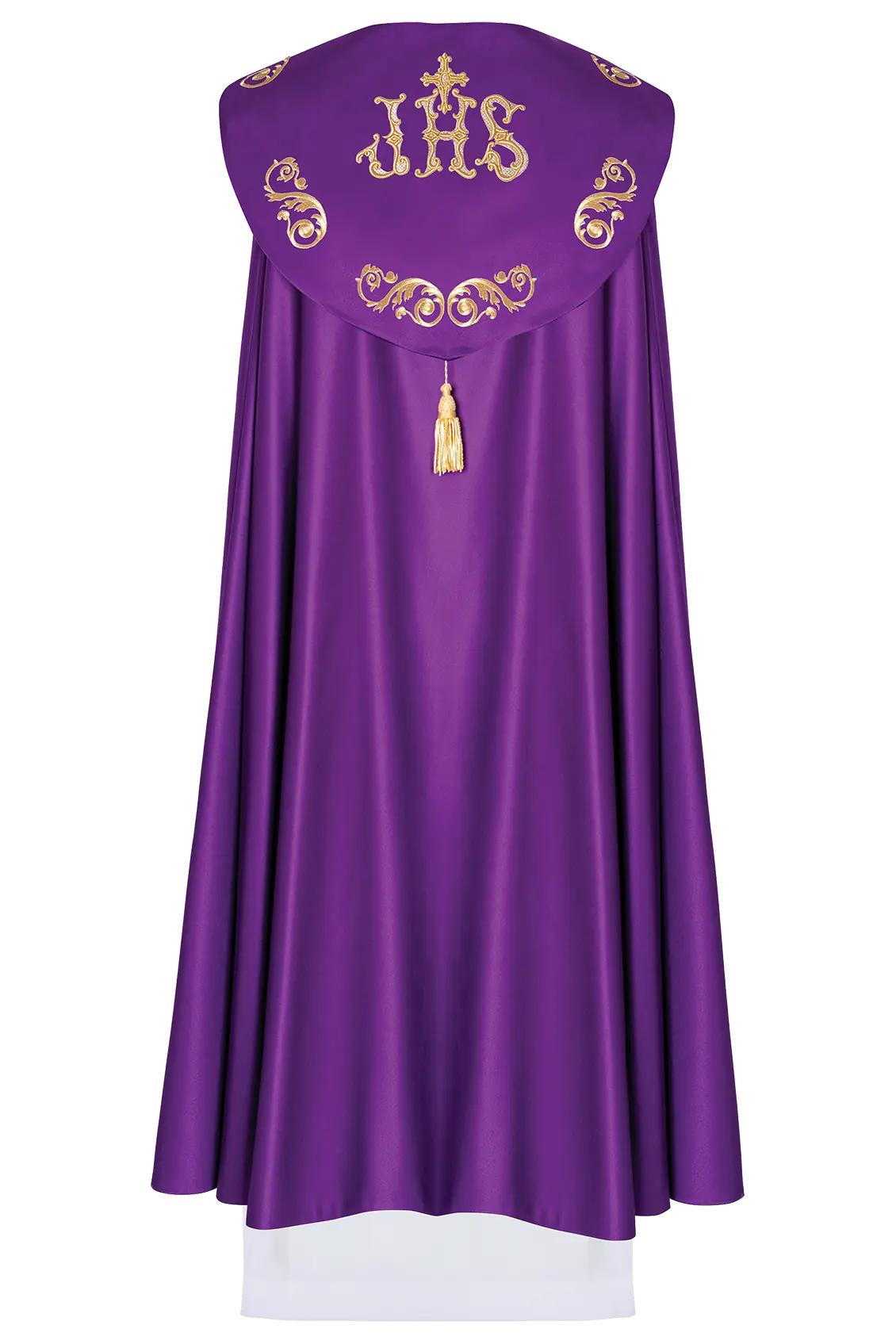
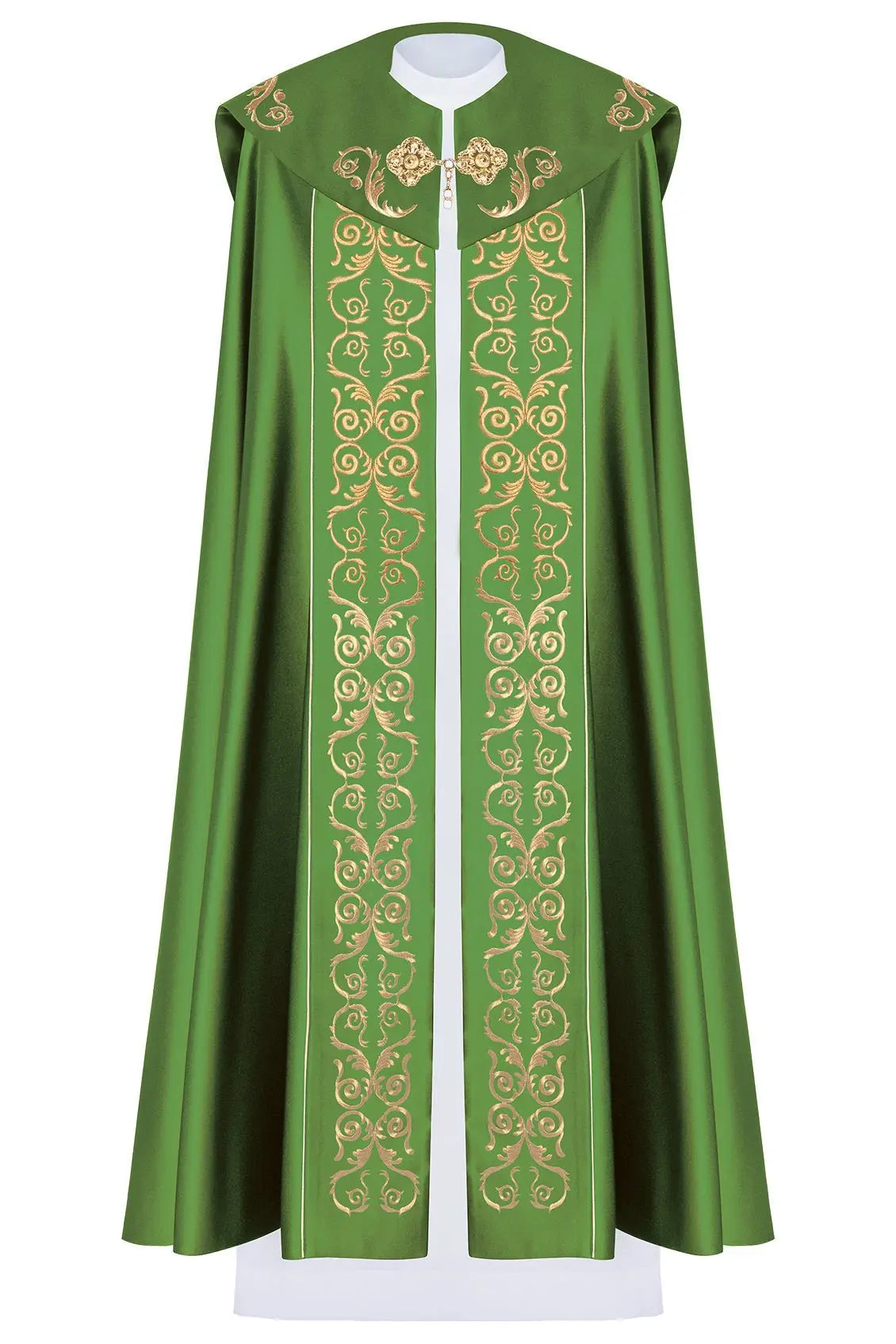
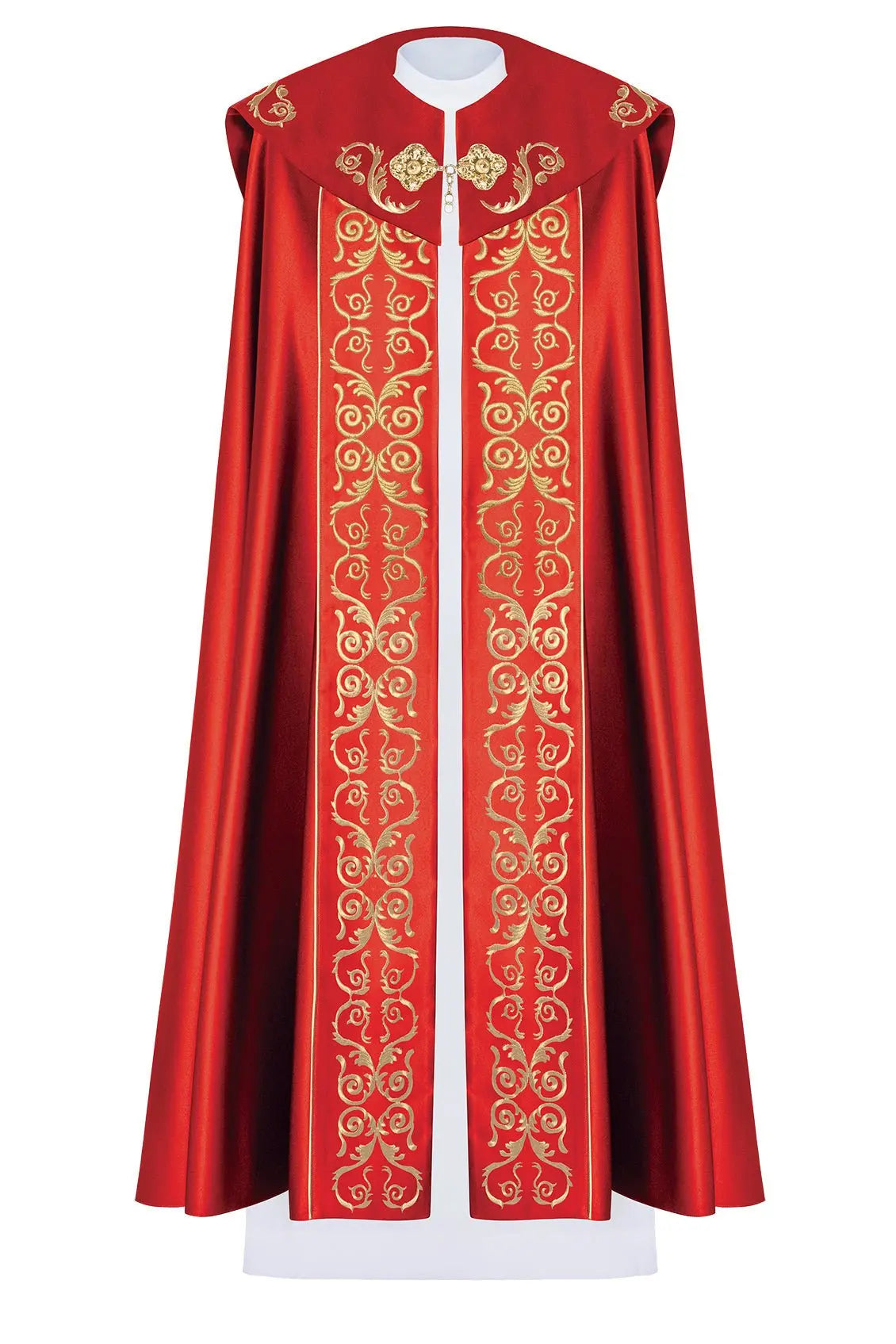
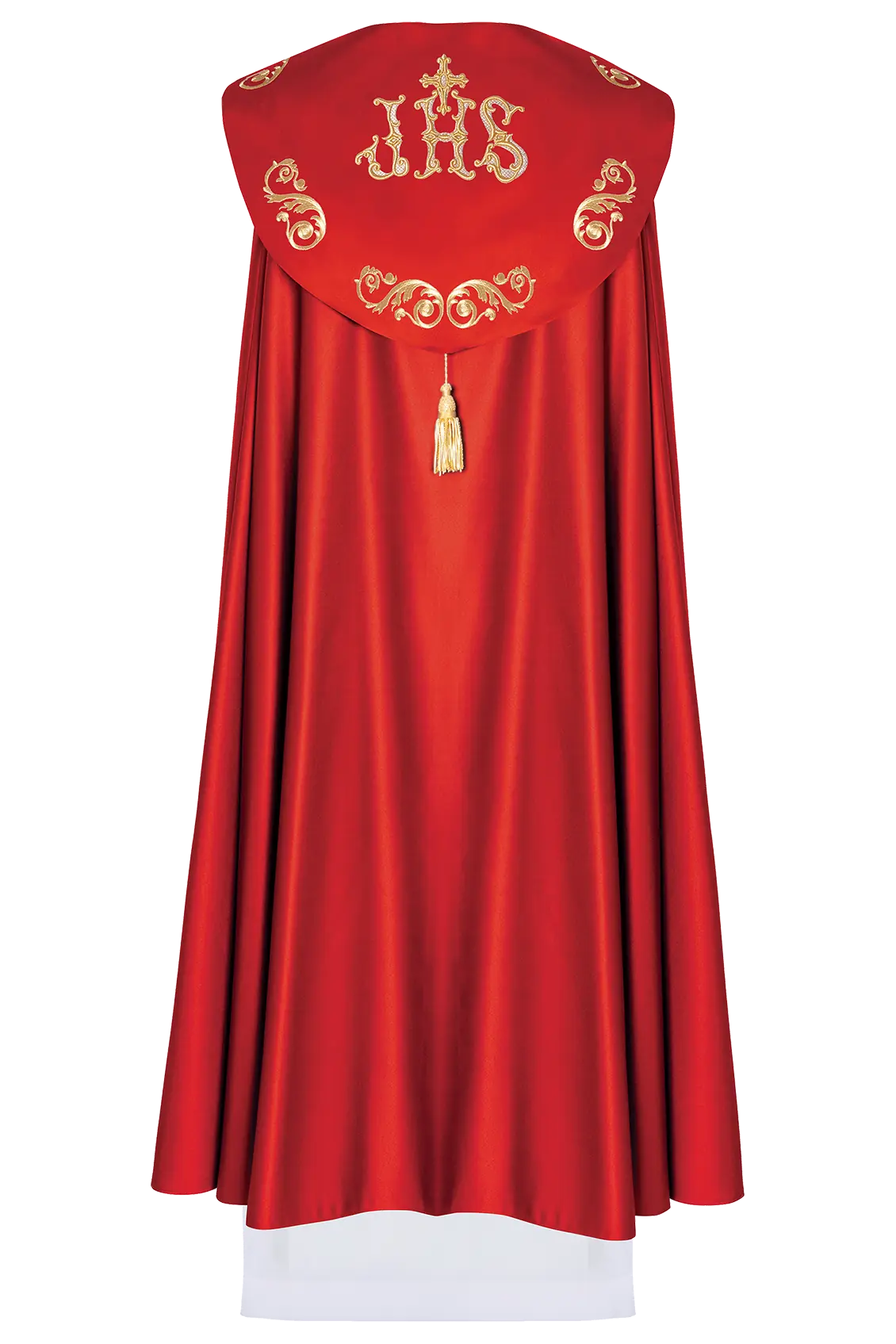
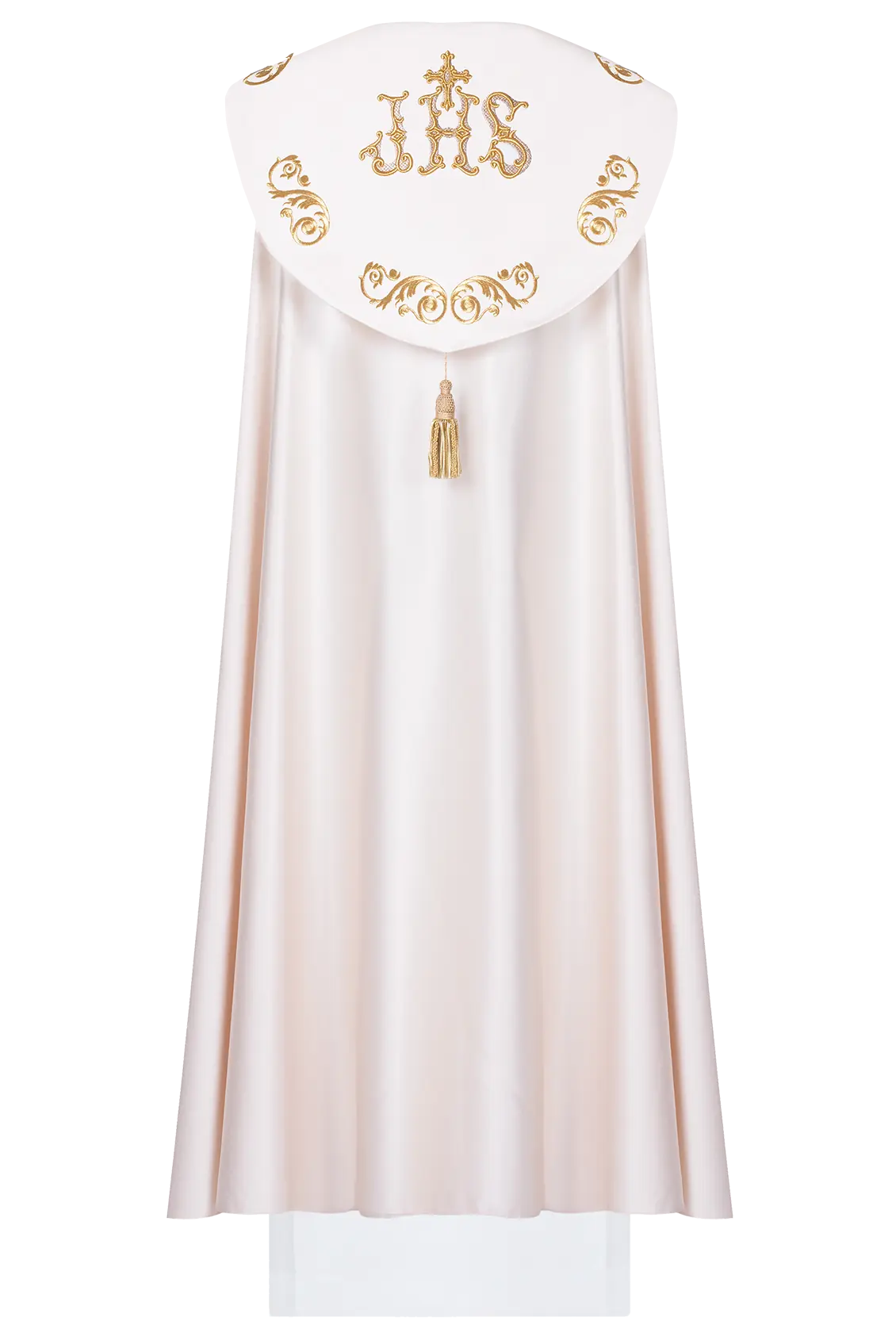
The cope belongs within the wider family of liturgical vestments, yet it has a distinct function and visual language. Its broad, flowing shape gives dignity to movement, making it especially suitable when the celebrant walks in procession, blesses the faithful, presides at solemn prayer, or carries out a ritual action outside the altar liturgy. The hood or shield, the decorative orphreys, the embroidered back panel, and the clasp all contribute to the ceremonial character of the vestment. A well-chosen cope should be beautiful without distracting from prayer, substantial enough to drape well, and coordinated with the colors and symbols of the liturgical calendar.
When a Cope Is Used
Copes are commonly chosen for Eucharistic Benediction, processions with the Blessed Sacrament, Vespers, solemn blessings, parish patronal feasts, funerals, weddings in certain ceremonial contexts, and liturgical celebrations led by bishops, priests, abbots, or other authorized clergy according to local practice. A cope may also be used for the blessing of candles, palms, ashes, or other rites where the rubrics call for a vestment appropriate to solemn presiding. Because it is not the same as a Mass chasuble, the cope helps mark a different liturgical action while maintaining visual continuity with the rest of the church vesture.
For parishes that celebrate processions, the cope is often paired with other vestments and appointments. During Benediction, it is frequently used with one of the humeral veils, especially when the Blessed Sacrament is handled or carried. For a full solemn set, the cope may coordinate with clergy stoles, altar linens, canopy work, banners, or seasonal colors used throughout the sanctuary. The goal is not simply decoration, but a coherent and reverent visual language that supports the rite being celebrated.
Choosing the Right Cope for Your Church
When selecting a liturgical cope, begin with its primary use. A parish that needs a cope for frequent Benediction or Sunday Vespers may prefer a durable fabric, balanced weight, and embroidery that is elegant but practical. A cathedral, monastery, or shrine may choose a more ornate design for feasts, pilgrimages, or pontifical celebrations. Communities that process outdoors should consider how the fabric behaves in movement, how comfortably the garment rests on the shoulders, and whether the clasp is secure enough for longer ceremonies.
Color is also important. White or gold copes are commonly chosen for the Blessed Sacrament, Christmas, Easter, Marian celebrations when appropriate, weddings, and major solemnities. Red copes are used for feasts of the Holy Spirit, martyrs, and certain processional or diocesan occasions. Green copes serve Ordinary Time when a solemn non-Eucharistic celebration calls for the season's color. Violet copes are suitable for Advent, Lent, penitential services, and funeral rites where violet is used. Rose is reserved for the traditional joyful tone of Gaudete Sunday and Laetare Sunday, and it should be treated as a liturgical rose rather than ordinary pink.
Embroidery, Symbolism and Sacred Design
The embroidery on a cope should communicate the purpose of the vestment with clarity. Eucharistic motifs such as the IHS monogram, wheat, grapes, chalice imagery, rays, crosses, or the Lamb of God are especially appropriate for Benediction and Corpus Christi processions. Marian motifs may be selected for celebrations of the Blessed Virgin Mary, while cross, floral, or saint-related designs can serve parish feasts and devotional celebrations. Gold and silver thread can give the vestment a festive character, while more restrained embroidery can make a cope useful across many occasions.
Haftina Atelier copes are based on a combination of traditional vestment aesthetics and precise modern embroidery. Computer embroidery allows detailed motifs to be repeated consistently, while the selection of fabrics, trims, lining, and clasp details influences the final liturgical appearance. The cope should remain recognizable as a sacred vestment, not simply a decorative cape. Its ornamentation should frame the celebrant, support the solemnity of the rite, and relate naturally to the sanctuary and the rest of the vestment set.
How Copes Relate to Chasubles, Stoles and Dalmatics
A cope should not be confused with a chasuble. Chasubles are Eucharistic vestments worn by priests and bishops at Mass, while copes are ceremonial mantles used especially outside Mass or in specific liturgical actions. Many churches choose copes that coordinate with their chasuble sets so that the same feast or season has a unified appearance across different services. This is especially helpful for Christmas, Easter, Corpus Christi, Marian solemnities, and parish patronal celebrations.
The stole remains an important companion garment. A priest or bishop wearing a cope normally wears the appropriate stole beneath it, so the color and ornament of the stole should harmonize with the cope. The broader selection of clergy stoles can help complete a set or provide more flexible combinations for parish use. Where a deacon serves in the liturgy, the cope should be distinguished from the deacon's own vesture, including deacon dalmatics and deacon stoles, so that each role is visually clear.
Seasonal and Feast Day Copes
The liturgical year gives practical guidance for cope selection. During Advent, violet copes can express preparation and expectation, while some communities use a more festive design for solemn Advent services. Lent generally calls for violet, with rose reserved for Laetare Sunday when that color is used. For Christmas and Easter, white, ecru, or gold copes are often chosen because they communicate joy, light, and solemnity. During Ordinary Time, green copes may be used when the cope is required or desired for solemn prayer, blessings, and processions.
For communities planning vestments around the calendar, related seasonal collections can be useful. The Advent collection supports preparation for the beginning of the liturgical year, while the Lent collection helps complete penitential vesture and sanctuary textiles. For Eucharistic processions and solemn worship centered on the Blessed Sacrament, the Corpus Christi collection is especially relevant. These links help parishes coordinate copes with chasubles, stoles, veils, altar appointments, and processional items without mixing unrelated styles.
Fit, Fabric and Practical Care
A cope should be comfortable for the celebrant and manageable for servers assisting during the rite. Its length, width, weight, lining, and clasp placement all affect how it sits on the shoulders and how it moves in procession. A fuller cut creates a strong ceremonial silhouette, while a lighter fabric can be easier for frequent parish use. The clasp should fasten securely without pulling the front edges out of alignment. Embroidered panels and decorative trims should be placed so they remain visible when the cope is worn and when the celebrant is standing, walking, or giving a blessing.
Proper care protects both the fabric and the embroidery. Copes with rich brocade, velvet, metallic thread, or detailed embroidery should generally be handled with clean hands and stored in a dry, ventilated space. Hanging the cope on a strong, broad hanger helps preserve the drape and reduces creasing. A breathable garment cover can protect it from dust while avoiding trapped moisture. For deeper cleaning, professional dry cleaning is usually the safest choice, especially when metallic threads, lined fabrics, or structured decorative panels are present.
Building a Complete Vestment Set
Many churches purchase a cope as part of a long-term vestment plan. A white or gold cope may be the first choice because it serves many solemnities, Eucharistic devotions, and festive processions. A violet cope can be important for Advent, Lent, penitential services, and funerals. Red and green copes may then complete the seasonal range. When a parish already owns chasubles and stoles, the best cope is often one that complements existing colors, motifs, and embroidery rather than competing with them.
For more formal celebrations, bishops may also require vestments and insignia that match the tone of the ceremony. In such contexts, copes can be coordinated with mitres, stoles, altar textiles, and processional appointments. The result should be harmonious, dignified, and rooted in the rite itself. A cope is not chosen only for visual richness; it is chosen because it helps the Church celebrate solemn prayer with order, beauty, and clear liturgical meaning.
Frequently Asked Questions (FAQ)
Is a cope the same as a chasuble?
No. A chasuble is the Eucharistic vestment worn by a priest or bishop during Mass, while a cope is a ceremonial mantle used especially for processions, Benediction, solemn blessings, and other non-Eucharistic services. Both can share the same liturgical color, but they serve different liturgical functions.
Which color cope should a parish buy first?
For many parishes, a white or gold cope is the most versatile first choice because it can be used for Eucharistic Benediction, Christmas, Easter, Corpus Christi, Marian celebrations, and many solemn occasions. A violet cope is also highly practical where Advent, Lent, funerals, or penitential services are celebrated regularly.
Can a cope be used for Benediction of the Blessed Sacrament?
Yes. Benediction is one of the most common occasions for using a cope. In many celebrations, the cope is worn together with a humeral veil when the Blessed Sacrament is handled or when the blessing is given, according to the rite and local practice.
How should a cope coordinate with other vestments?
The cope should normally harmonize with the stole worn beneath it and, when possible, with the parish's chasubles or seasonal vestment sets. Matching every detail is not always necessary, but the color, embroidery style, and level of ornament should feel coherent within the same celebration.
What embroidery is appropriate for a cope?
Eucharistic symbols are especially fitting for copes used at Benediction or Corpus Christi. Crosses, Marian emblems, floral designs, saint motifs, and liturgical monograms can also be appropriate when they match the season, feast, or devotional purpose of the vestment.
How should an embroidered cope be stored?
Store the cope on a sturdy, broad hanger in a cool, dry place, preferably inside a breathable cover. Avoid folding it for long periods, especially if it has metallic embroidery or structured panels, because creases can affect both the fabric and the decorative work.